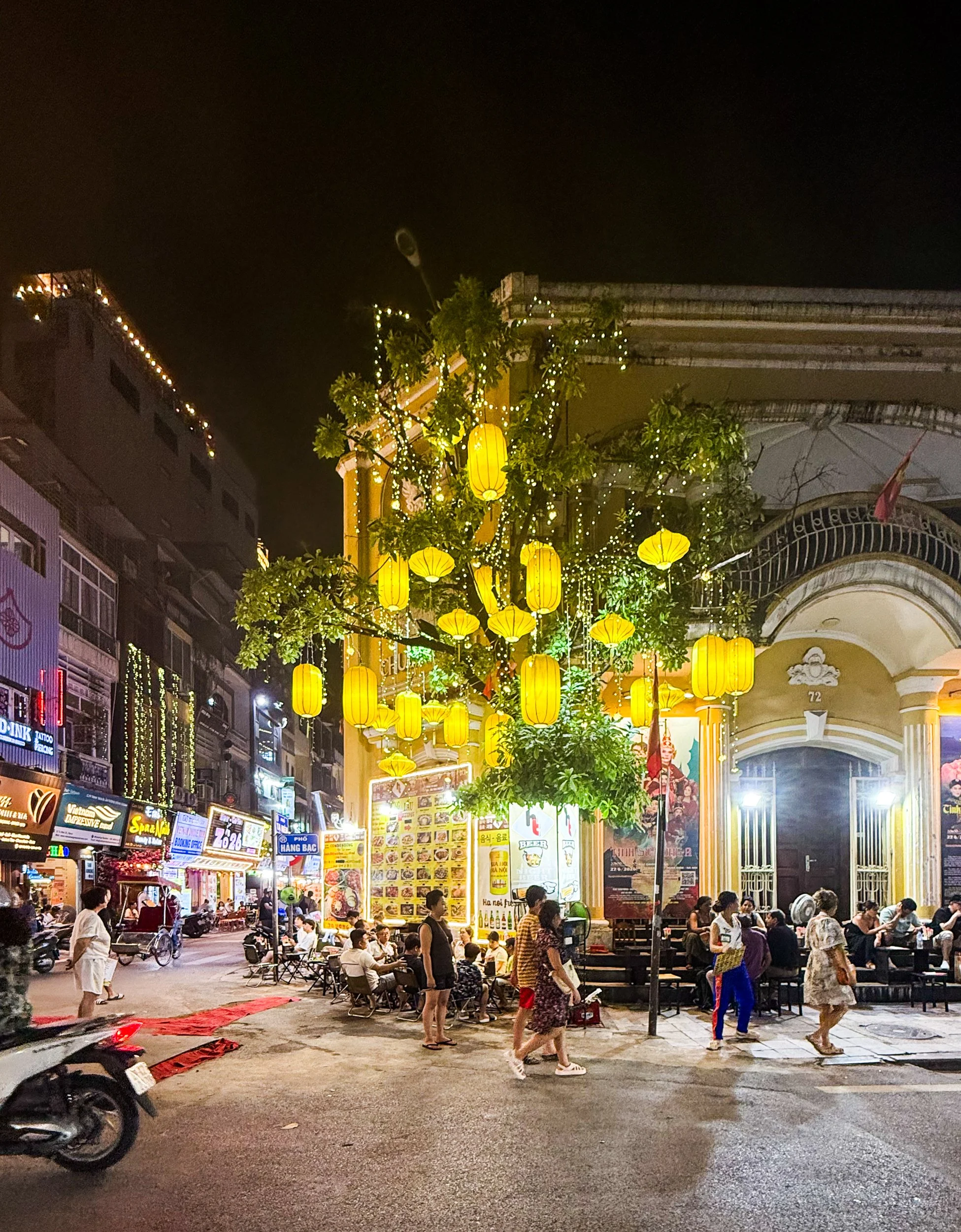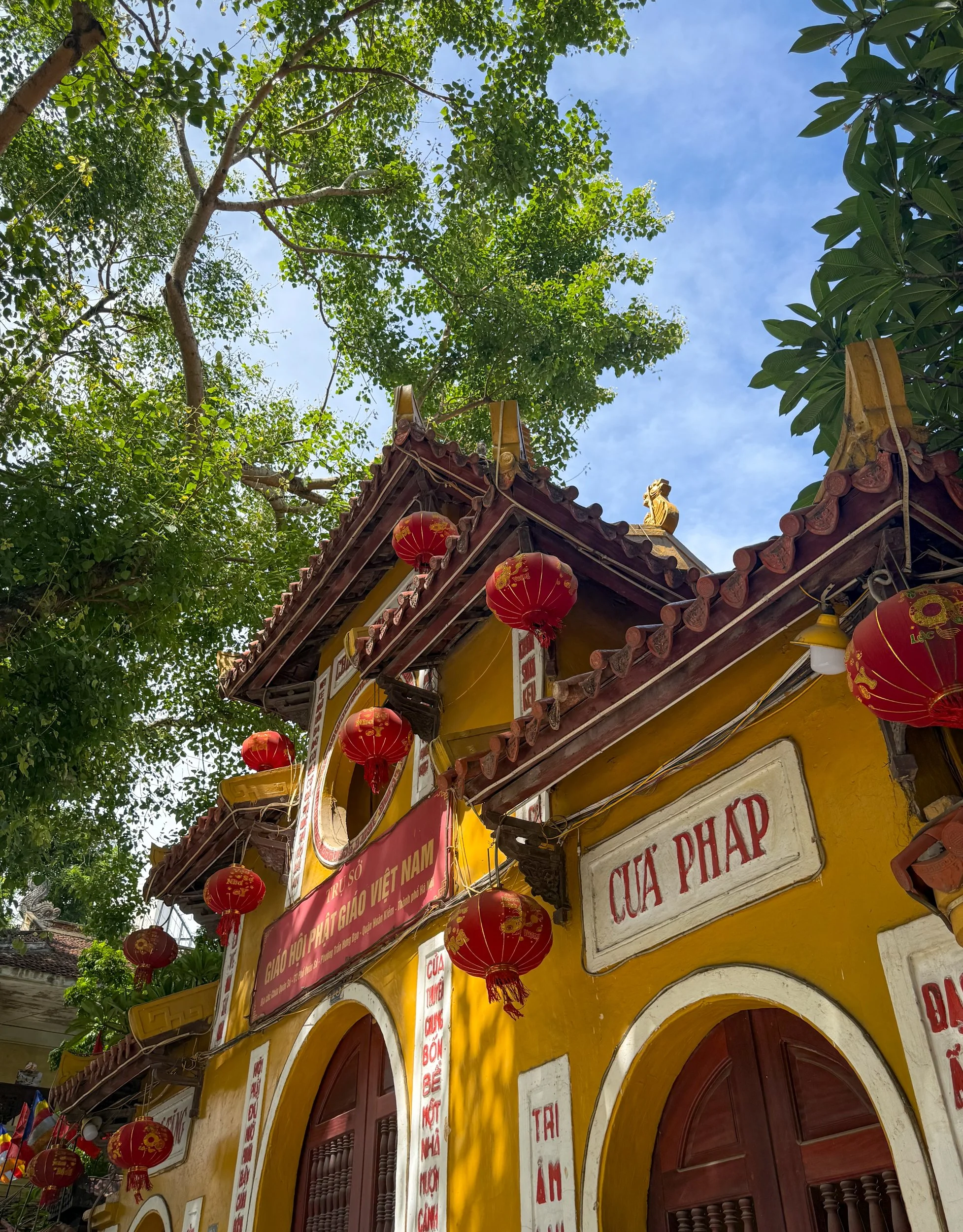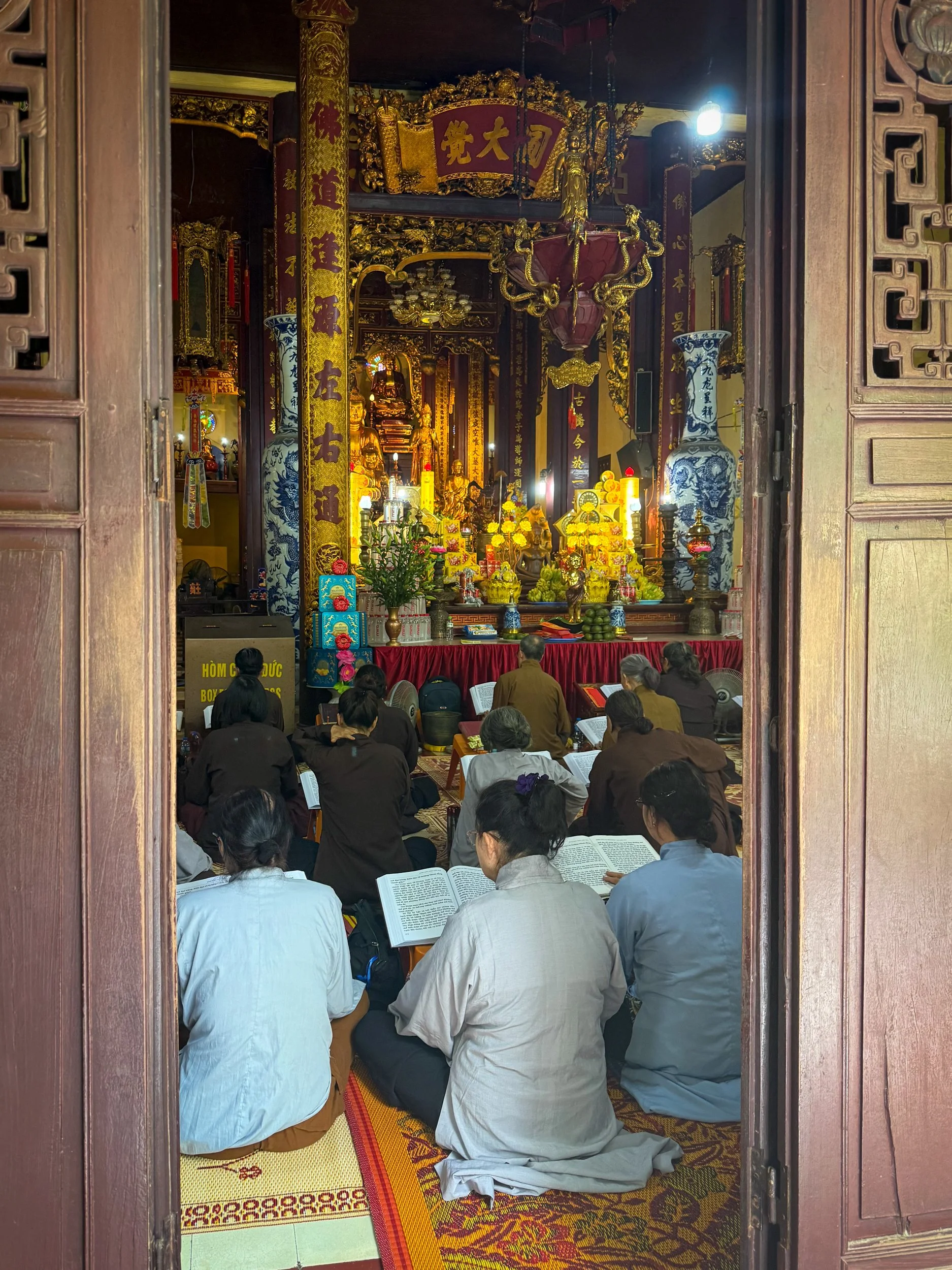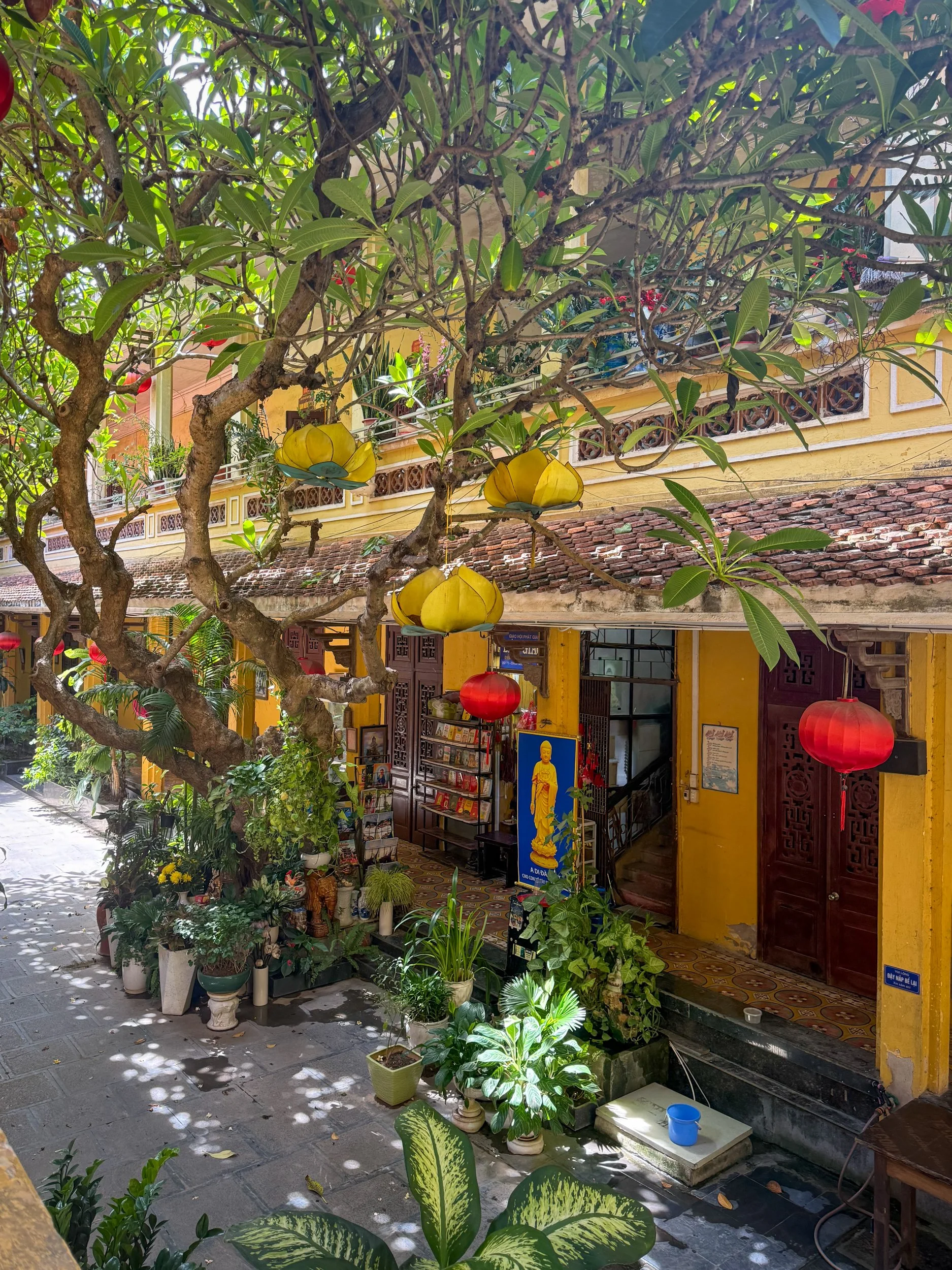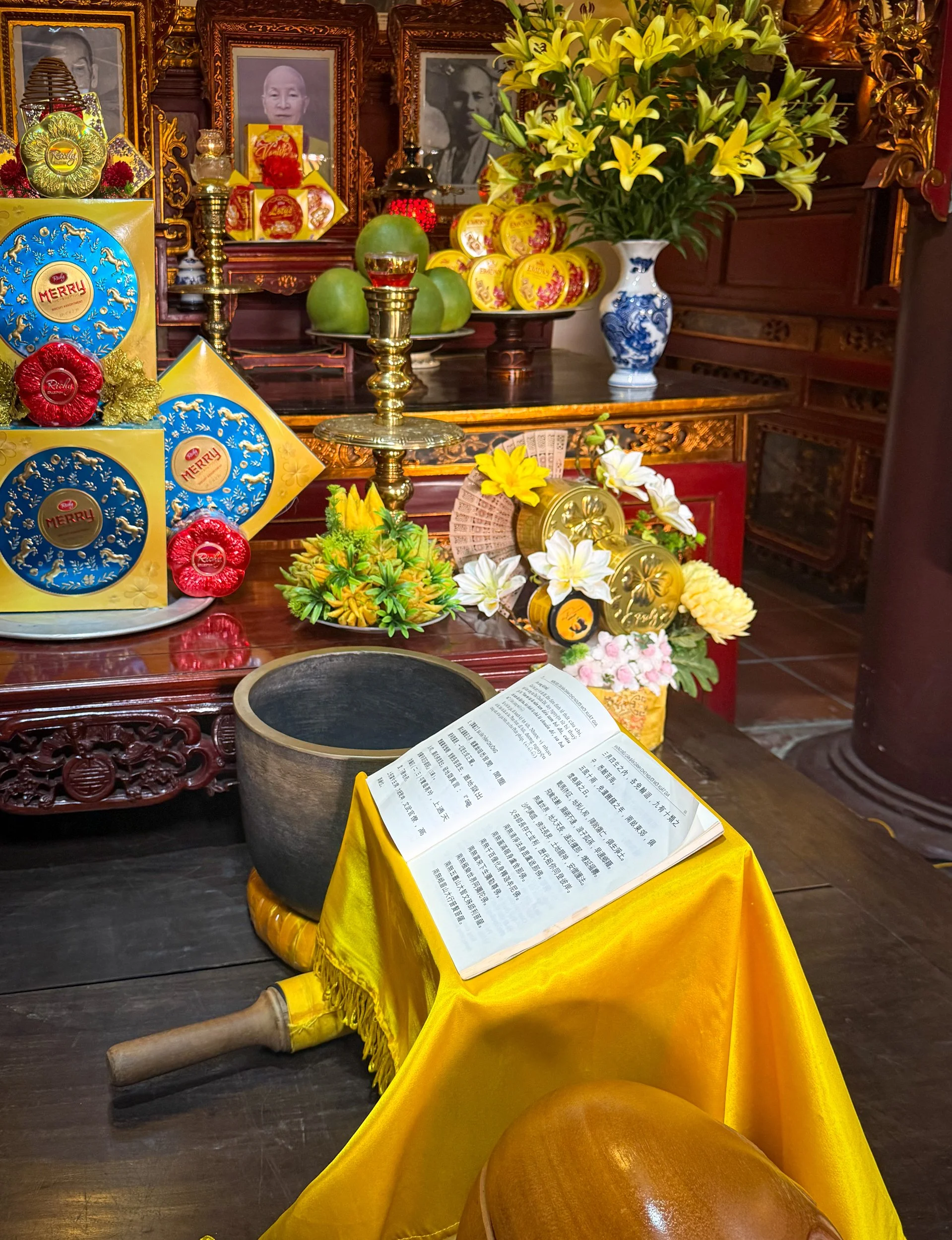
Hanoi hits you all at once. An almost uninterrupted stream of scooters moves through streets that never seem quite wide enough. Charcoal smoke escapes from narrow alleys. Tiny plastic stools cover the pavements, temples hide behind shopfronts and tangled electricity cables hang above elegant old façades. The city is noisy, layered and initially difficult to read. Staying at Lotte Hotel Hanoi gives us the perfect counterbalance: a spacious and remarkably quiet base high above the city.
@Lotte Hotels
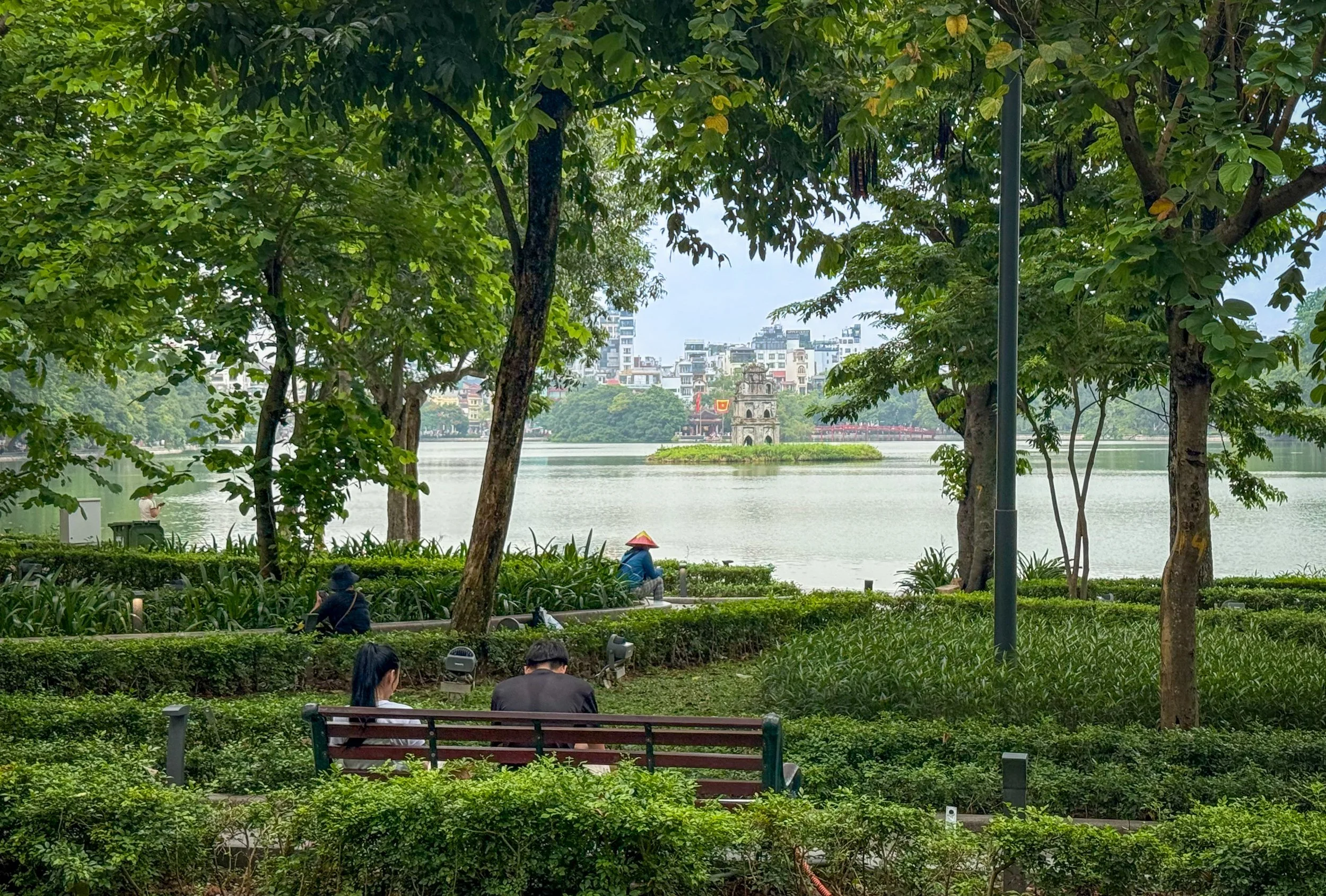
Seen from the hotel, Hanoi appears modern and almost orderly. Down at street level, its long and complicated history is everywhere. The city became the imperial capital in 1010, when Emperor Lý Thái Tổ transferred his court here and named the city Thăng Long, usually translated as “Ascending Dragon”. The Imperial Citadel was constructed over the remains of an earlier Chinese fortress. According to UNESCO, the site remained a centre of political power for almost thirteen centuries.
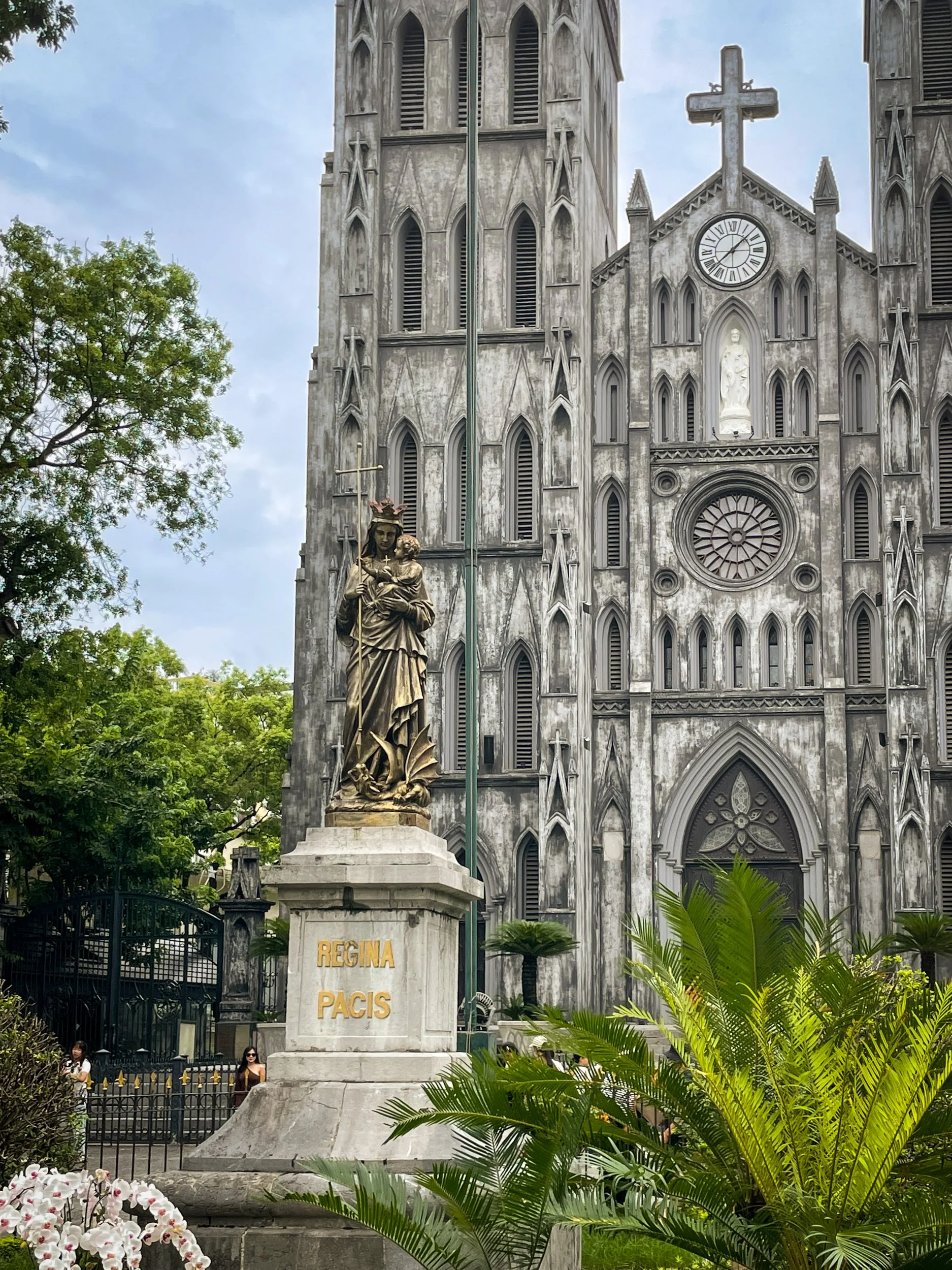
Hanoi’s role changed repeatedly. Dynasties built, enlarged and destroyed parts of the imperial city. In the nineteenth and twentieth centuries, French colonial rule altered its appearance again. Broad avenues, villas, administrative buildings and churches were laid over an older Vietnamese city of temples, markets and specialised trading streets. Hỏa Lò Prison, which we visited later, belonged to that colonial system.
The French made Hanoi the capital of French Indochina, but their departure in 1954 did not bring peace. After the division of Vietnam, Hanoi became the capital of North Vietnam and was bombed during the war with the United States. Following reunification in 1976, it became the capital of the Socialist Republic of Vietnam. The city visitors encounter today contains all those periods simultaneously. Imperial remains, French façades, austere government buildings, war memorials and glass towers occupy the same urban landscape.
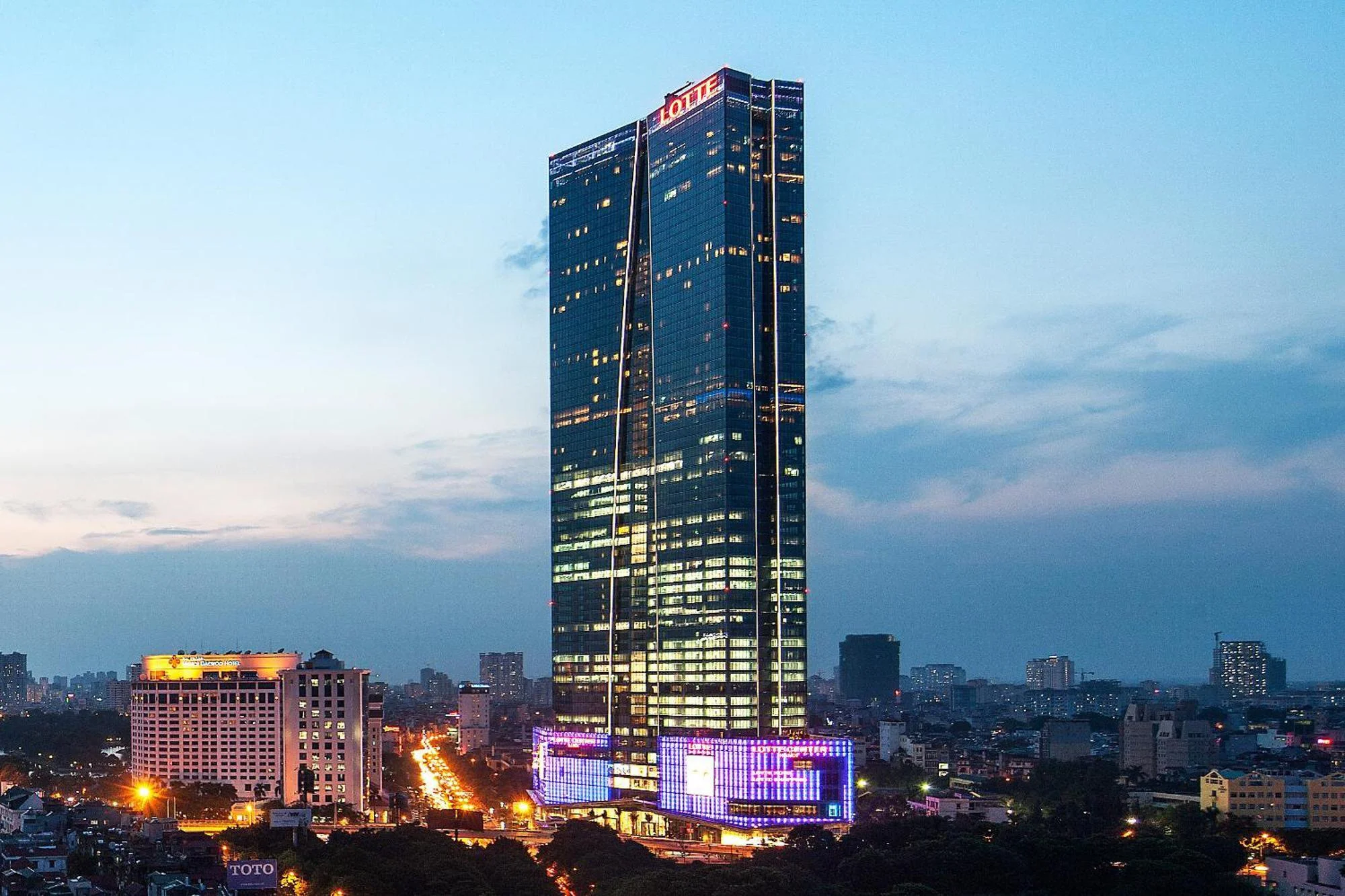
Lotte Center Hanoi belongs emphatically to the newest layer. Completed in 2014, the 272-metre tower rises 65 storeys above the Ba Dình district. Its tapering, divided form was reportedly inspired by the áo dài, the traditional Vietnamese long dress. The building is not solely a hotel: it also contains offices, serviced residences, shops, restaurants and an observation deck. Lotte Hotel occupies the upper part of the tower.
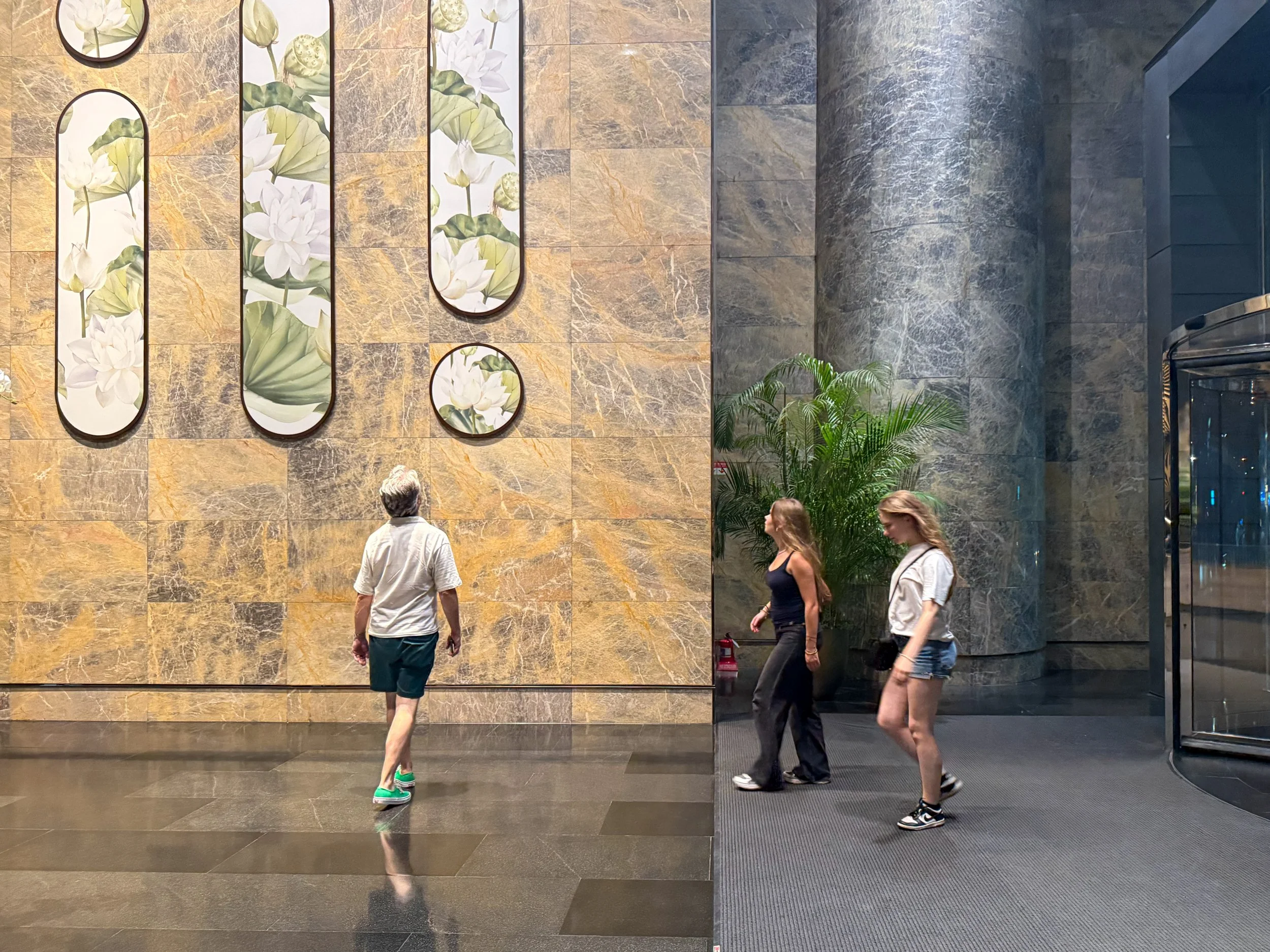
The scale is apparent before reaching reception. Elevators carry guests away from the shopping centre and city traffic into a separate world of polished stone, glass, subdued lighting and enormous views. Lotte is a South Korean hotel group, and the atmosphere combines the formality and precision associated with a large Asian business hotel with a warmth that makes families feel comfortable. This is not a small boutique property offering an intimate introduction to neighbourhood life. It is a vertical city within the city.
We are staying with our two teenage daughters in two connected Deluxe Club Rooms. For a family with teenagers, this is close to the ideal arrangement. The connecting door gives us the feeling of staying together, while both rooms offer enough space and privacy to prevent the familiar discussions about bathrooms, clothes, chargers and who gets which bed.
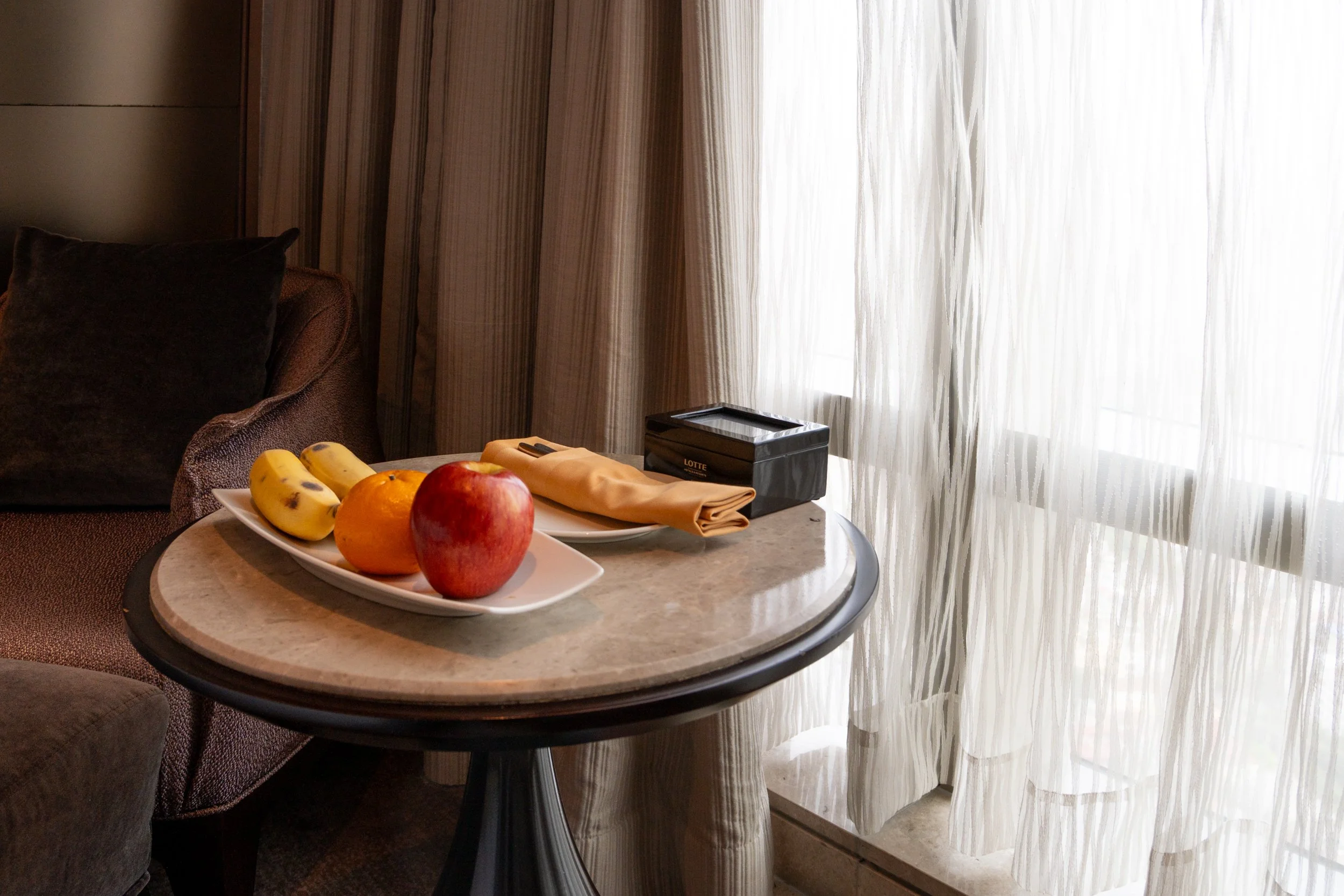
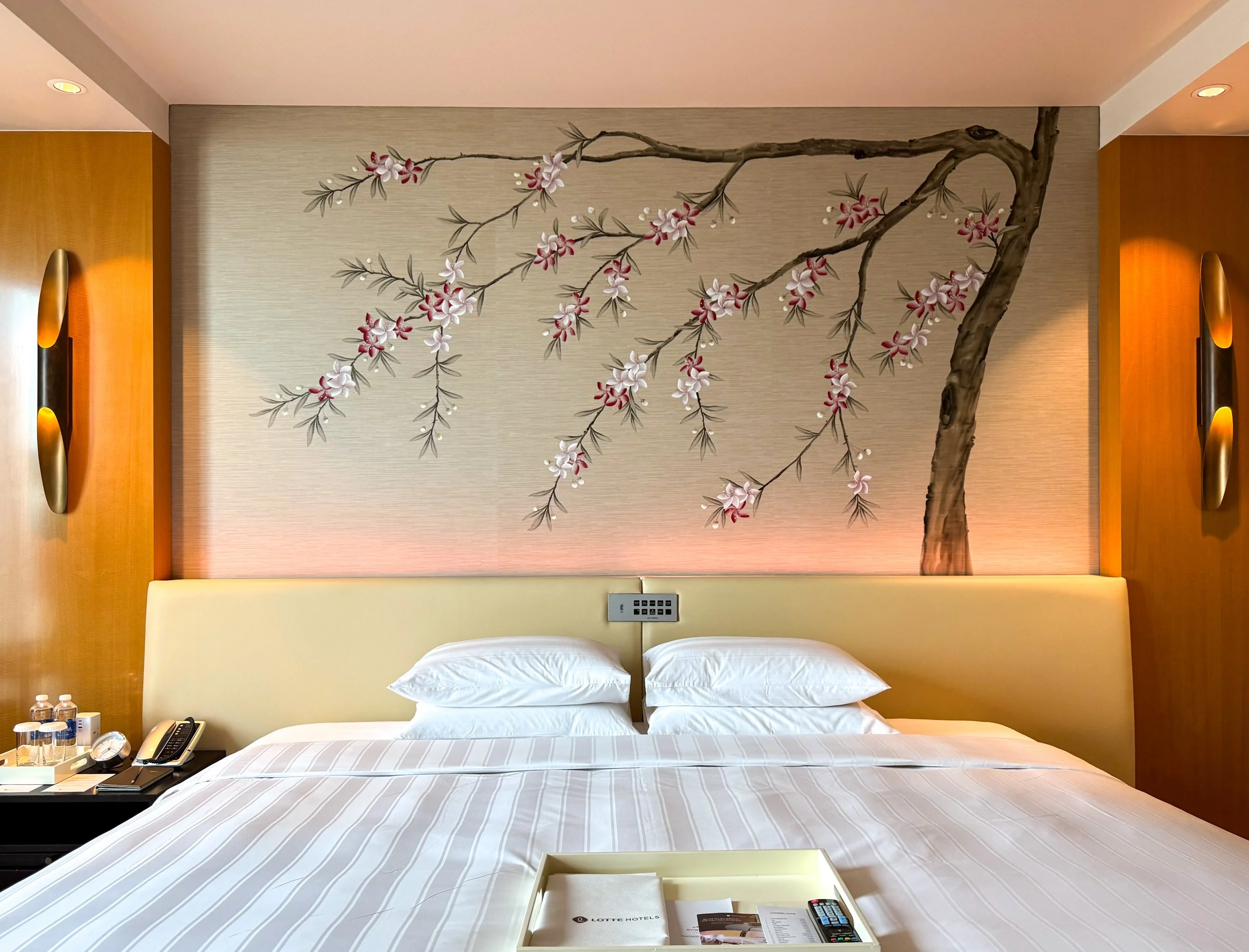
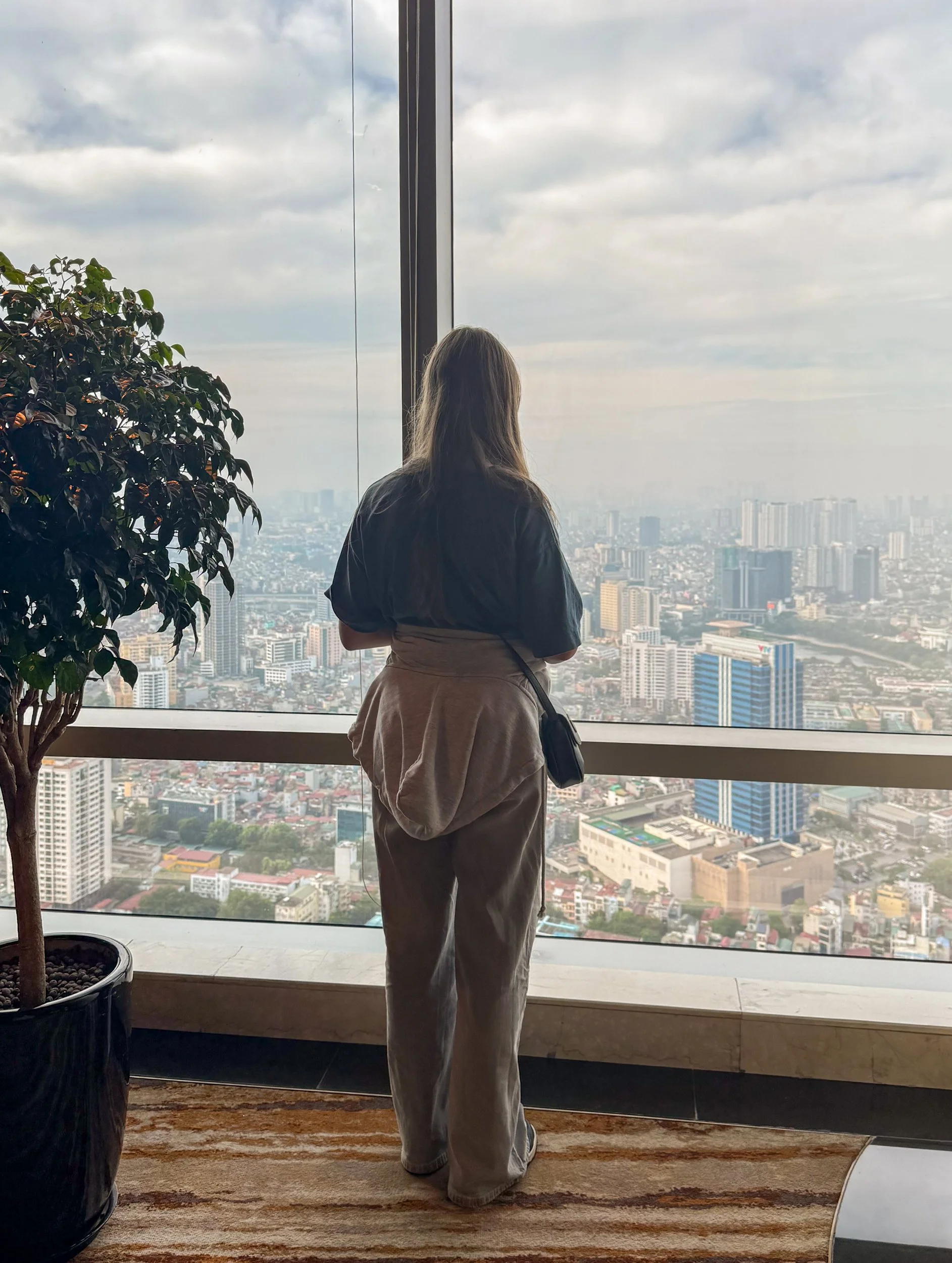
The rooms are contemporary rather than adventurous in design. Neutral colours, dark wood and restrained furnishings make them calm after the visual overload of Hanoi. They are generously sized, with large bathrooms and comfortable beds, but the defining feature is the wall of glass. Hanoi extends towards the horizon, with West Lake in one direction and dense neighbourhoods spreading out below. Weather and air quality continually change the view. Sometimes the city appear crisp and detailed; at other moments it dissolves into the humid haze.
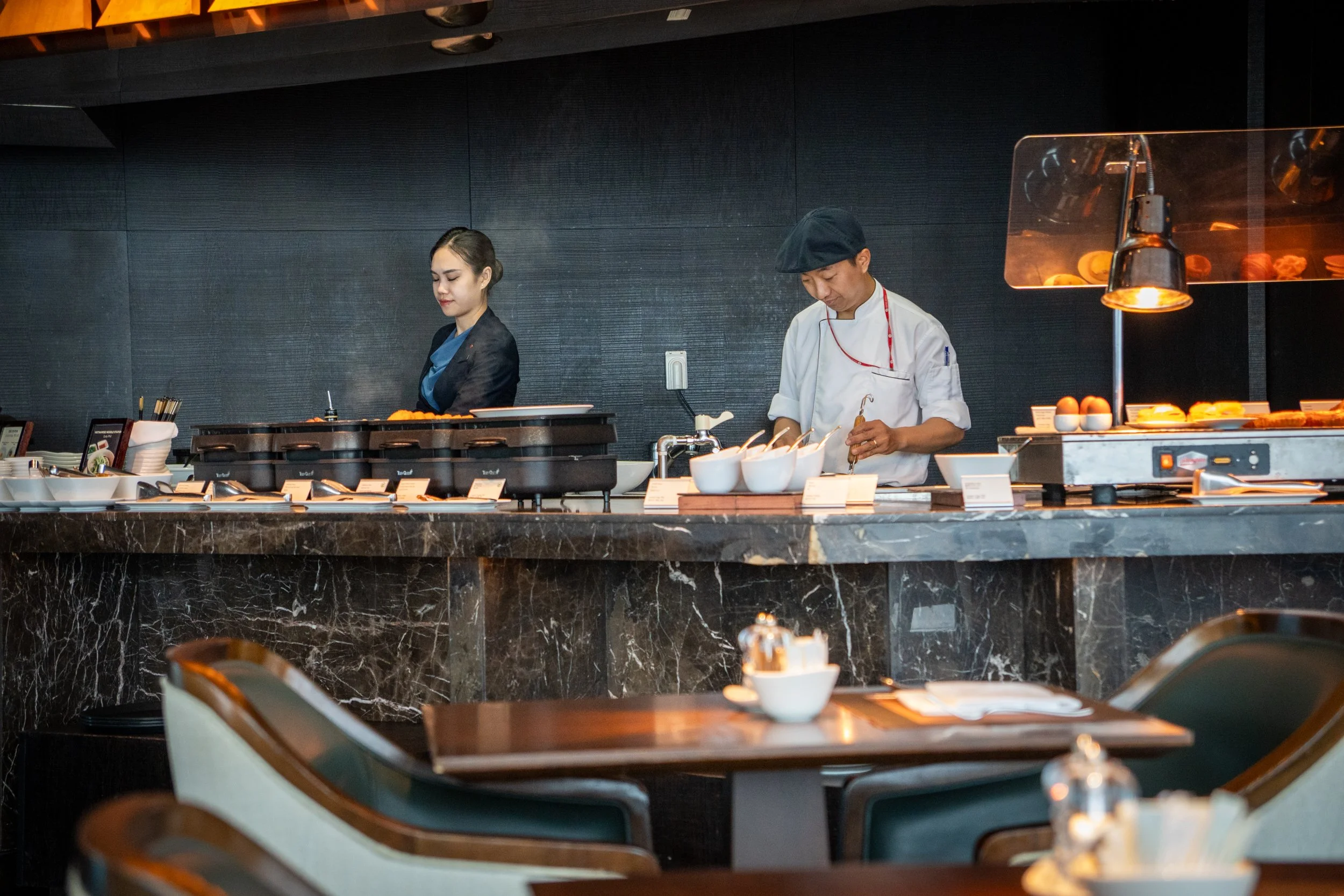
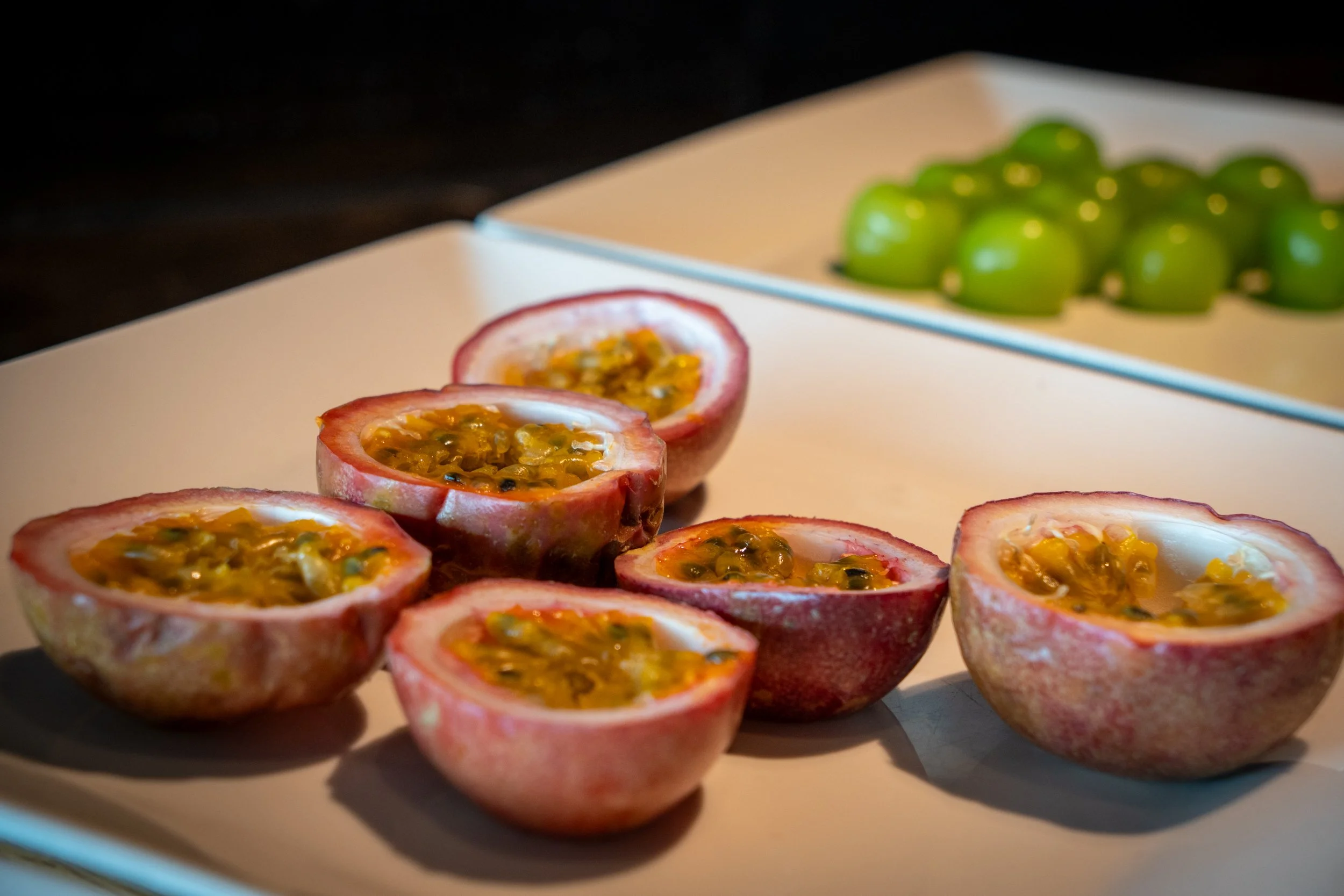
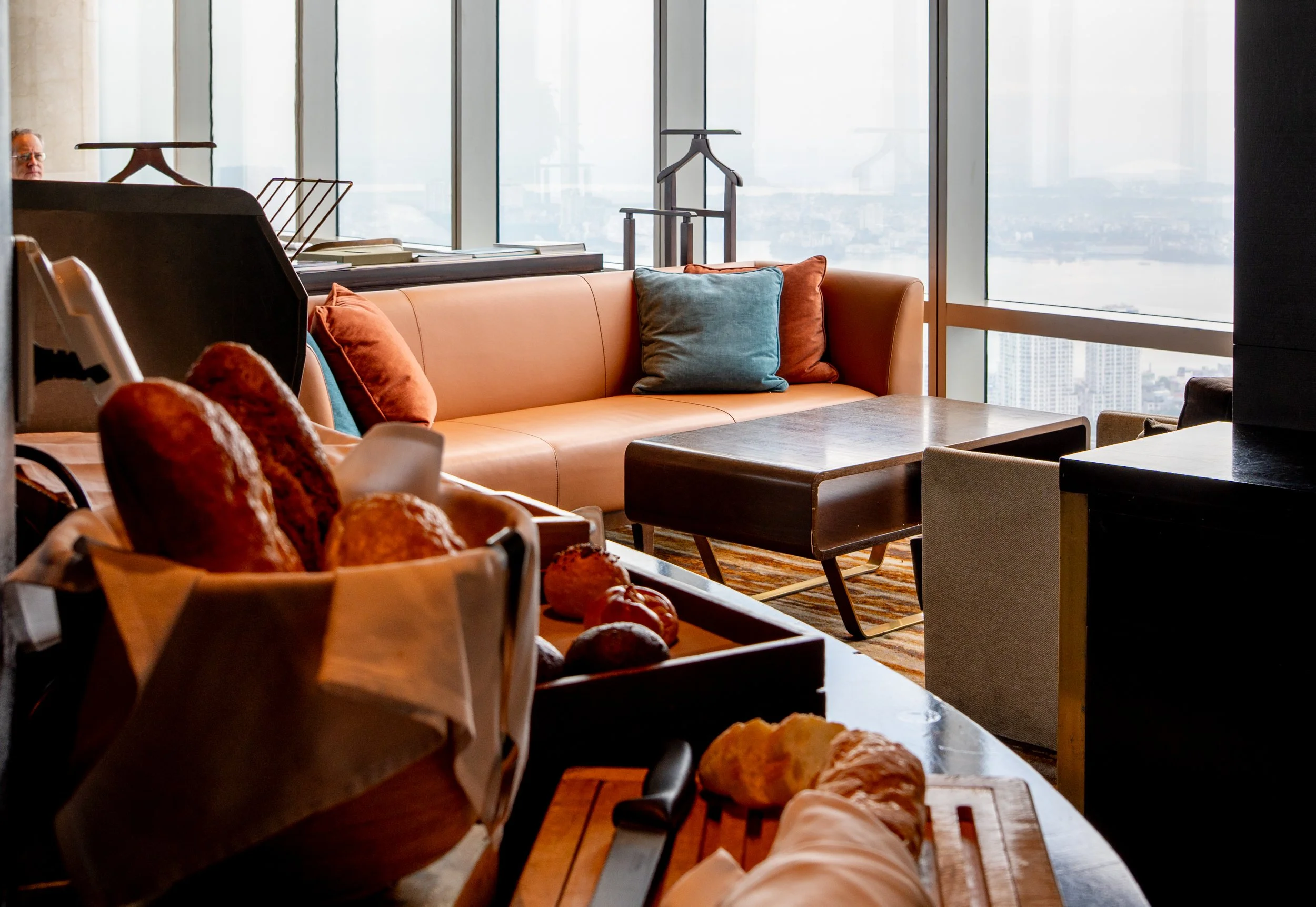
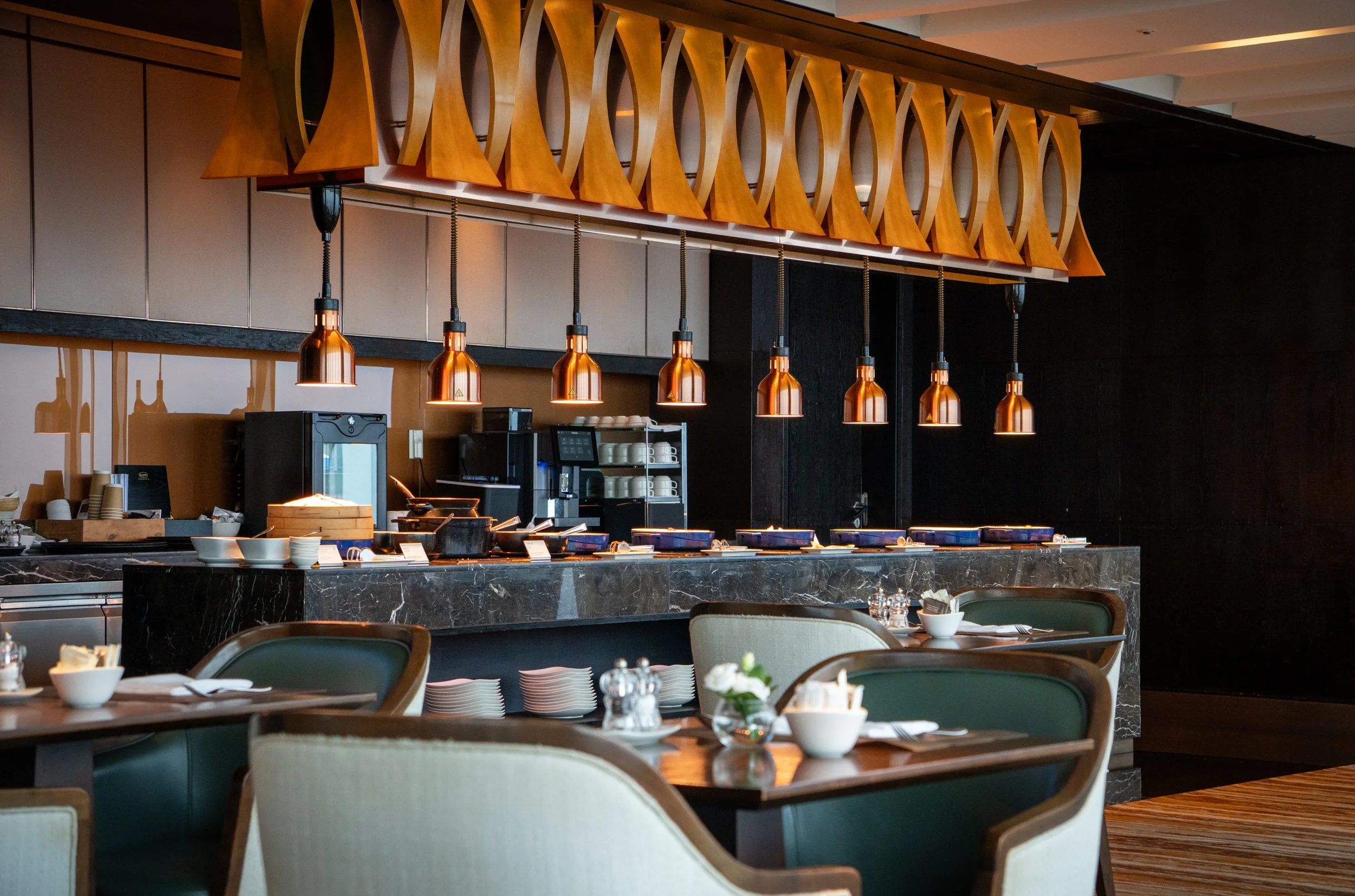
Our Club Rooms includes access to the Club Lounge on the 59th floor. We make far more use of it than we expected. Breakfast is served in a peaceful setting with wide views over the city, without the noise and movement of a large hotel breakfast room. The selection covers both Asian and Western tastes, which workes well for our family. Nobody needs to begin the day by compromising. Later, we return for a light lunch, drinks and snacks. With teenagers, who seem capable of becoming hungry again almost immediately after eating, this is particularly useful. The lounge is not simply a room with a few drinks added to justify the Club label. It materially changes the rhythm of our stay. Hanoi can encourage frantic sightseeing, especially when every street appears to contain another temple, café, shop or steaming bowl of noodles. Knowing that we can return to the lounge for something to eat and a quiet hour makes it easier to explore without trying to force too much into each day. The staff are attentive without becoming intrusive, and the atmosphere remains relaxed enough to feel at ease.
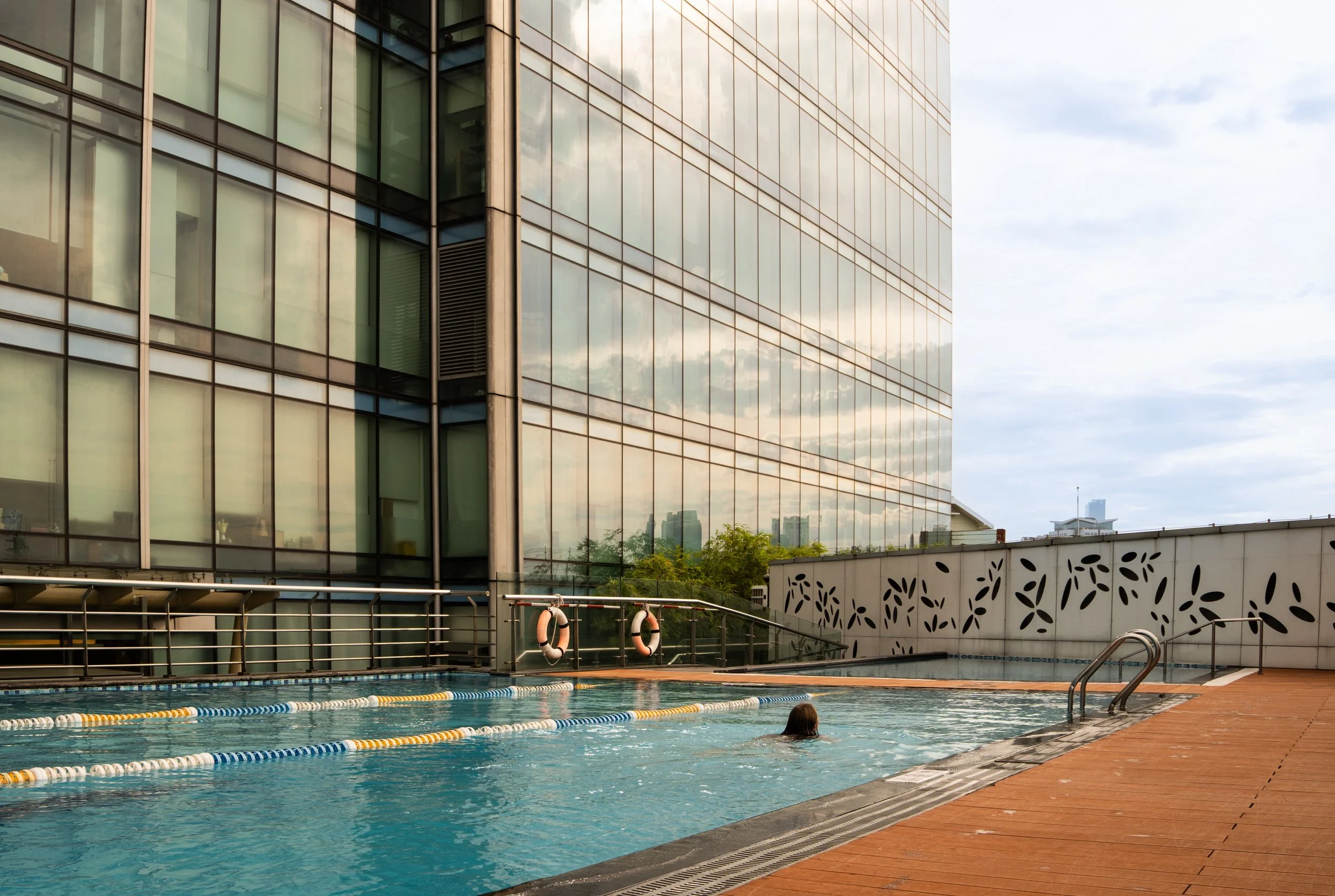
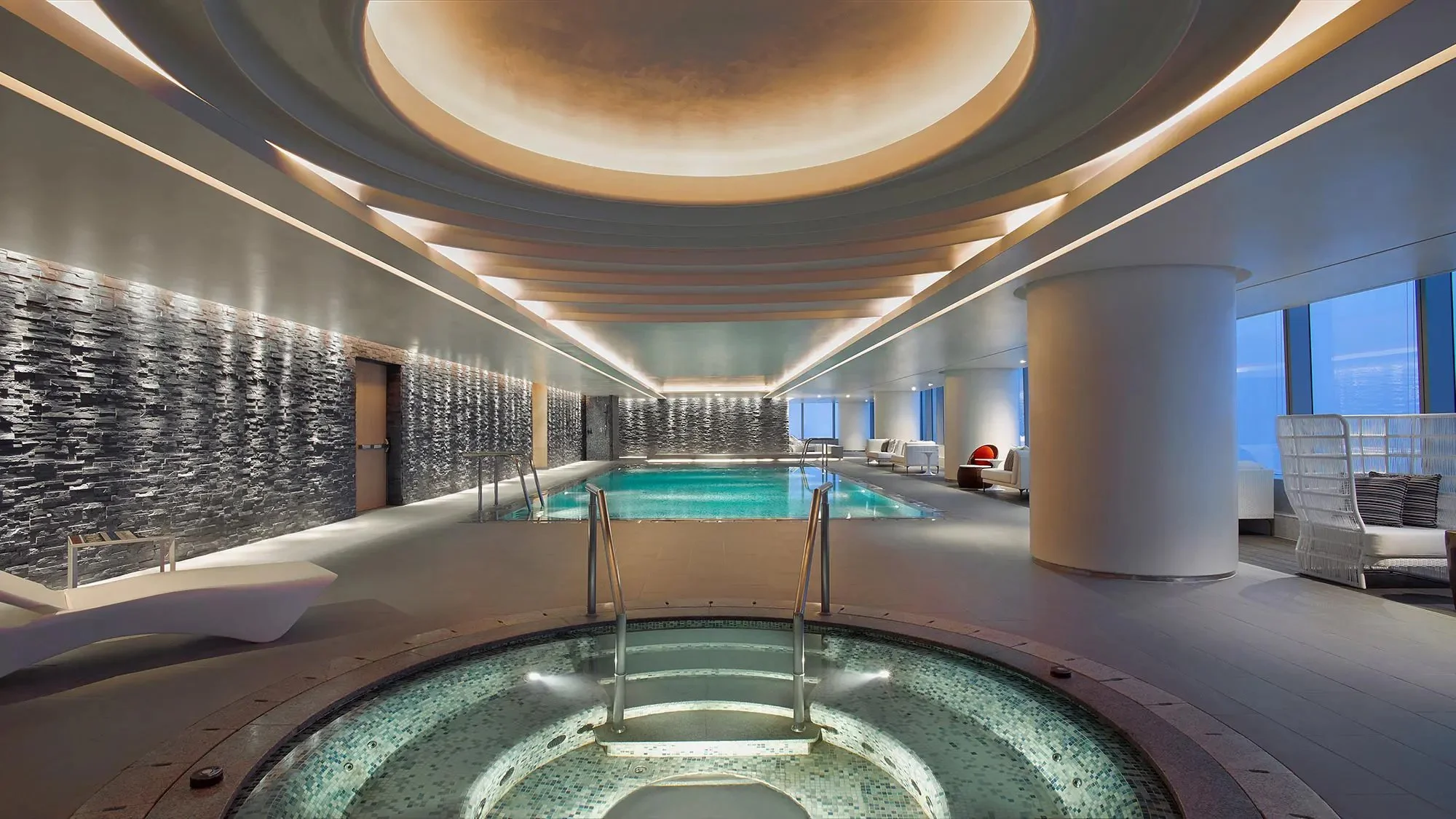
The hotel also contains an indoor and outdoor swimming pool, a substantial fitness centre and spa facilities. Its position inside Lotte Center is convenient on slower days: shops, food and practical services are available without stepping into the heat. It would be possible to spend an entire day inside the complex, but that would rather miss the point of being in Hanoi.
The location in Ba Dình may initially look less convenient than a hotel in the Old Quarter. It is some distance from the streets around Hoàn Kiếm Lake, where many visitors spend most of their time. For us, that separation becomes an advantage. Ba Dình is itself historically significant: the district contains the Imperial Citadel, government institutions and Ba Dình Square, where Hồ Chí Minh proclaimed Vietnamese independence on 2 September 1945.
Grab makes the distance largely irrelevant. Rides are inexpensive, easy to arrange and usually arrives quickly. We use the app a lot, moving between the hotel, restaurants, museums and the Old Quarter without negotiating fares or trying to explain addresses. At busy moments the traffic remains unpredictable, but that is part of the city rather than a problem any hotel can solve.
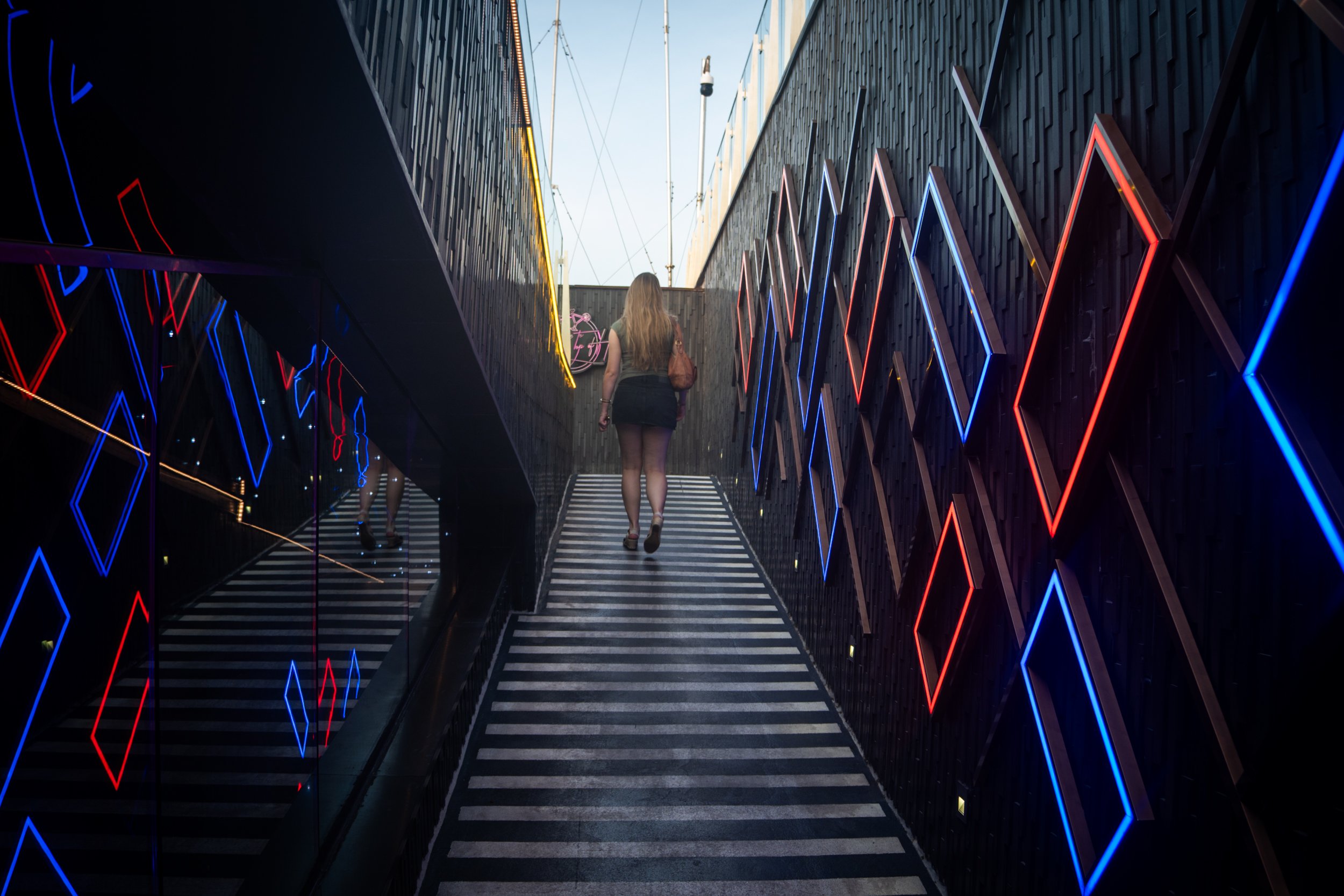
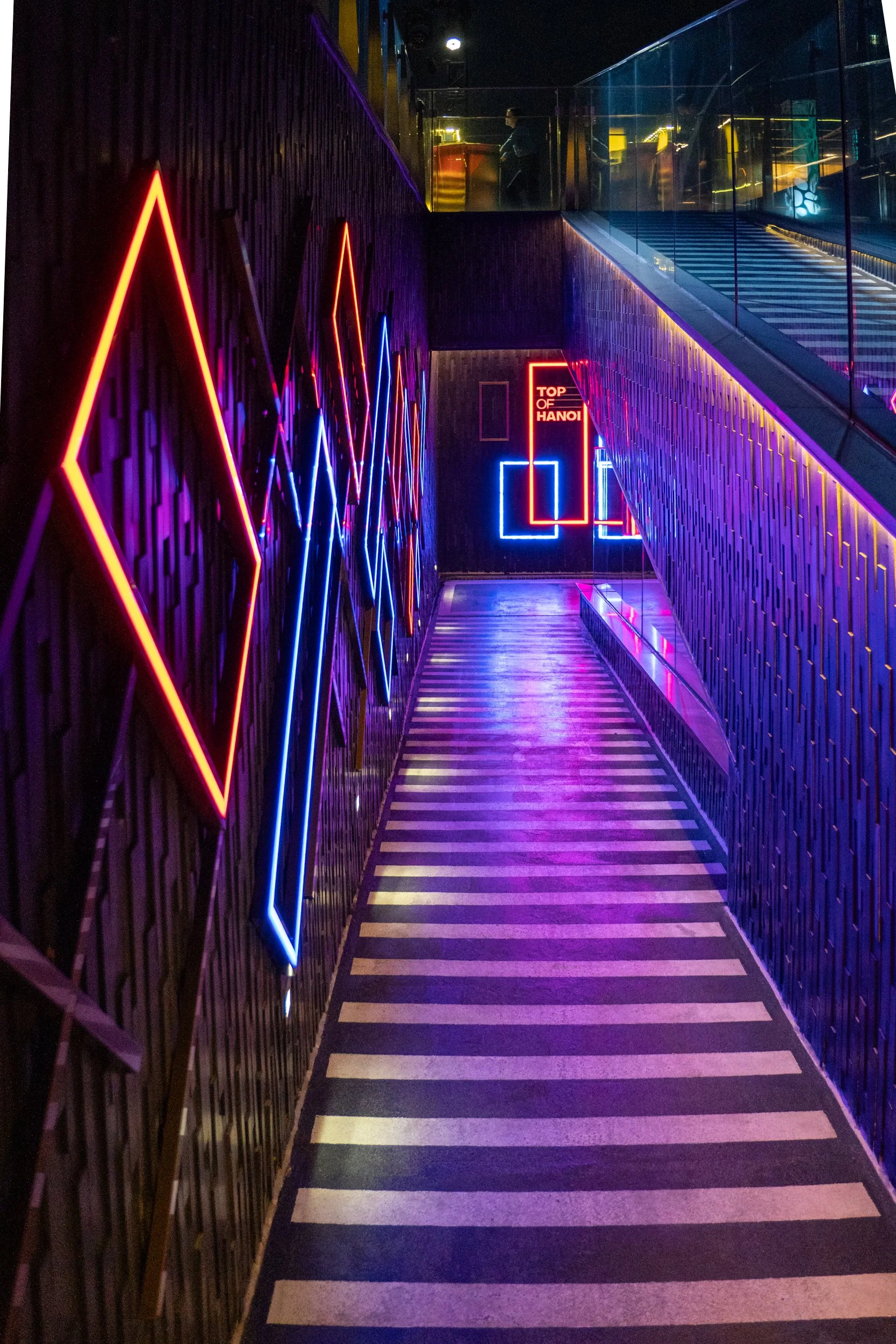
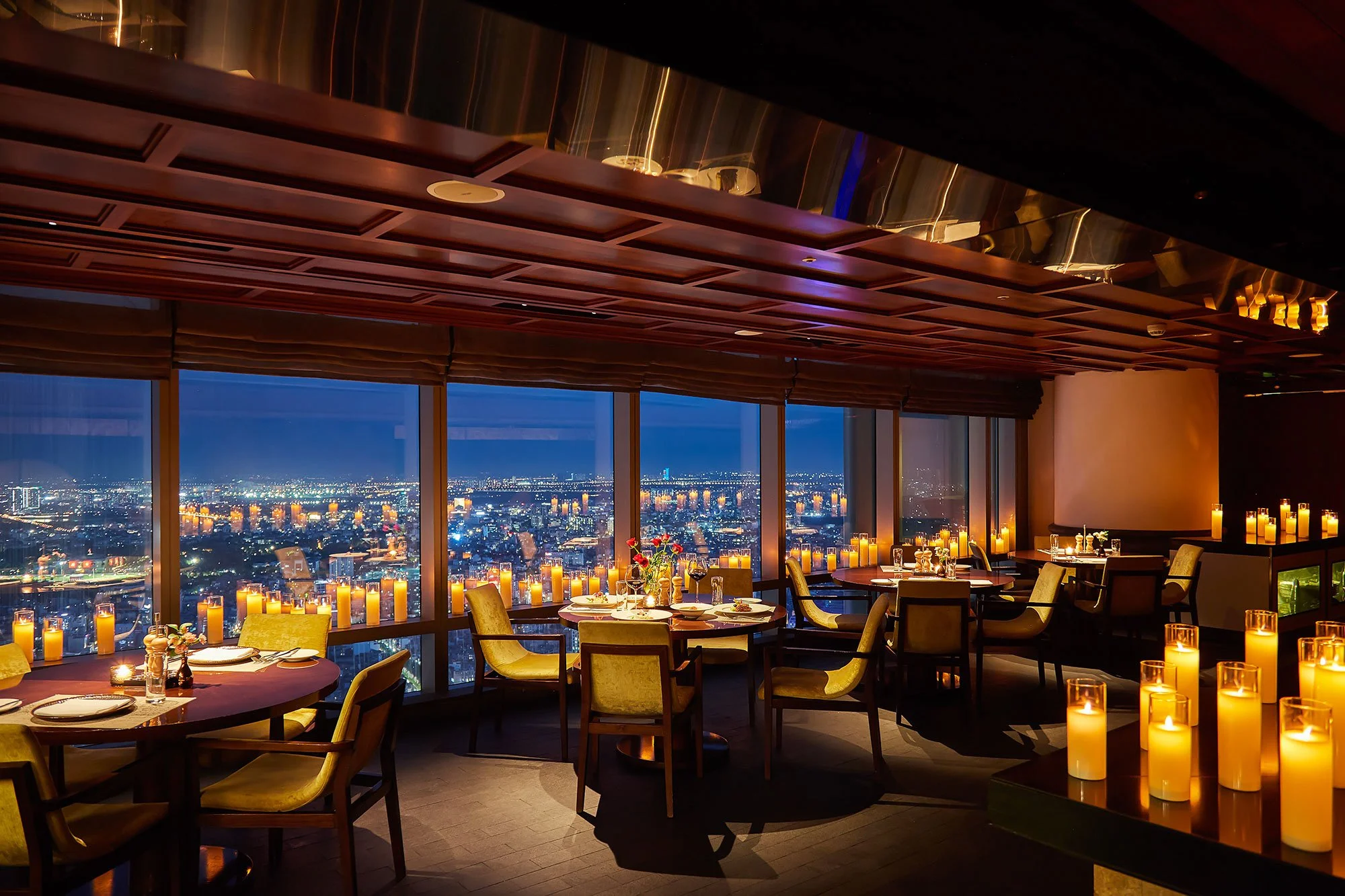
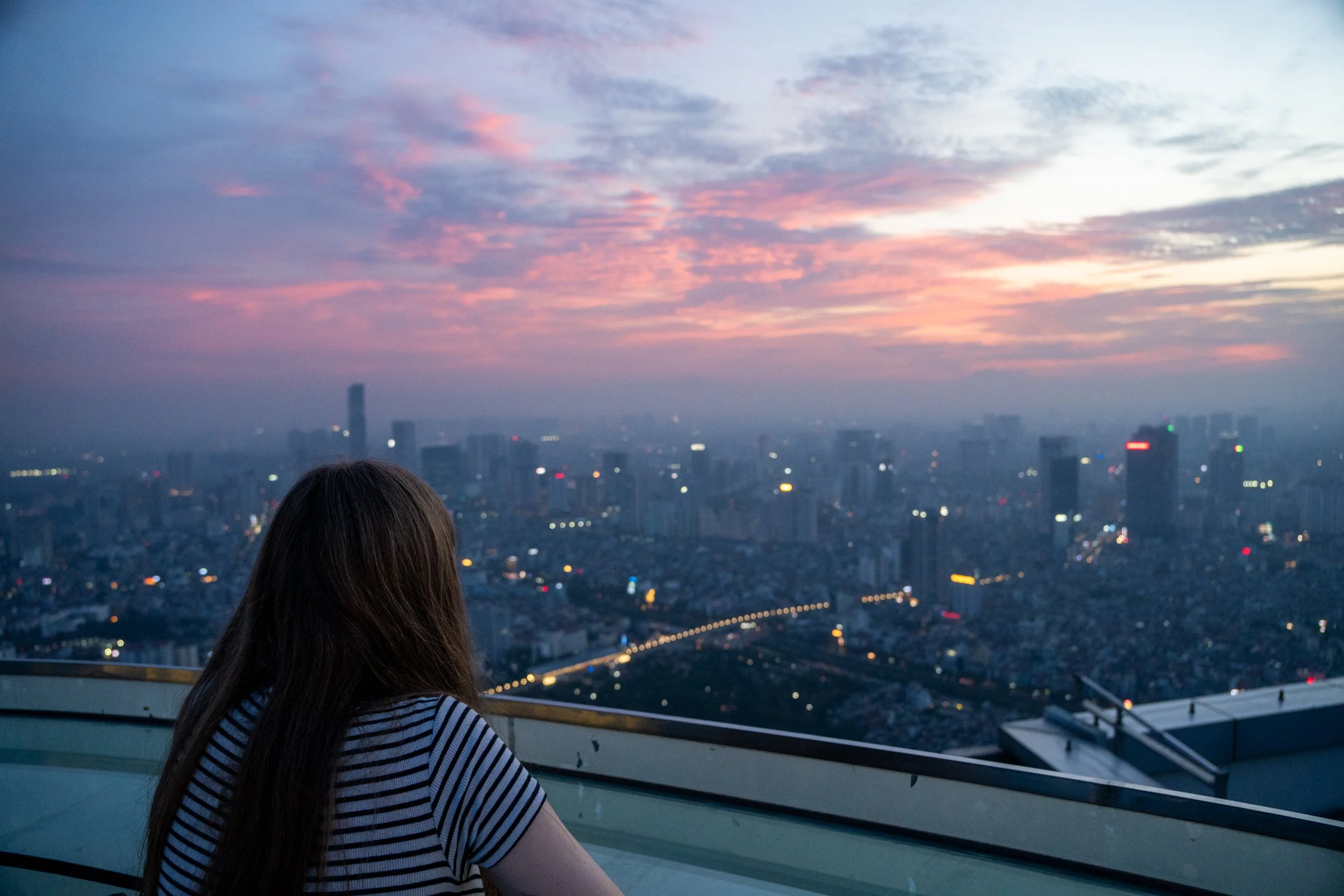
The most spectacular place in Lotte Hotel Hanoi is above the guestrooms. Around sunset we take the elevator to Top of Hanoi, the hotel’s open-air rooftop bar. The name is unusually accurate. From the top of the tower, the city can be seen through 360 degrees.
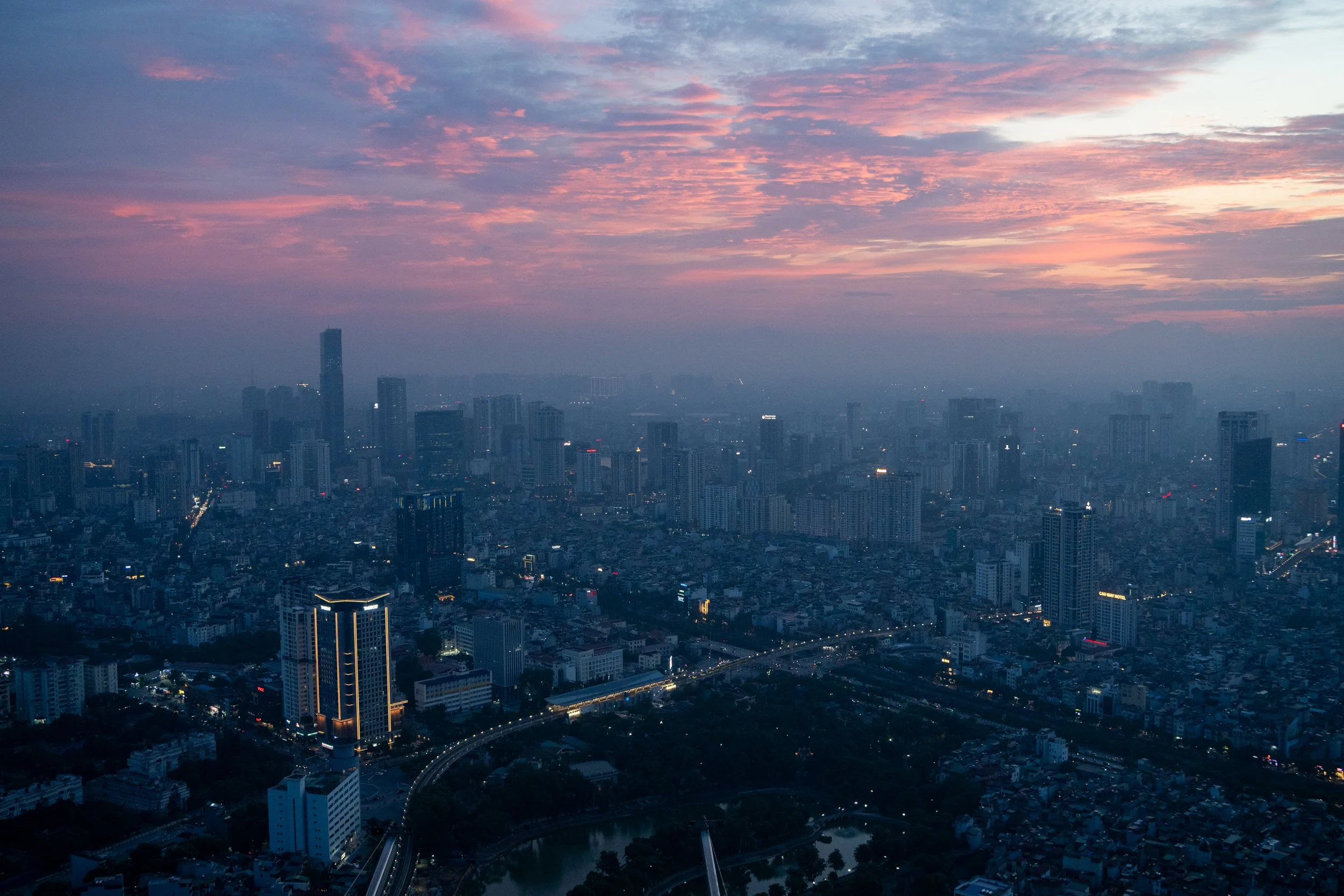
At street level, Hanoi feels almost impossible to understand. Streets bend, scooters approach from every direction and entire restaurants appear to materialise on pavements. From the roof, its geography slowly becomes visible. Lakes interrupt the dense construction. Old, low neighbourhoods meet new towers. The Red River marks the edge of the centre while roads disappear into the haze.
We arrive at the right time, before sunset, and watch the light change. Hanoi first turns golden and then gradually becomes a field of illuminated windows and moving traffic. Far below us, thousands of headlights formed thin red and white streams through the streets.
We also have dinner on the rooftop terrace. The food is enjoyable, but the real reason to eat here is the setting. Warm air, a table beneath the open sky and the city illuminated below us—it is one of those evenings when nobody felt the need to rush away. With teenage children, a rooftop dinner and a dramatic skyline can sometimes produce more enthusiasm than another historic monument. Fair enough.
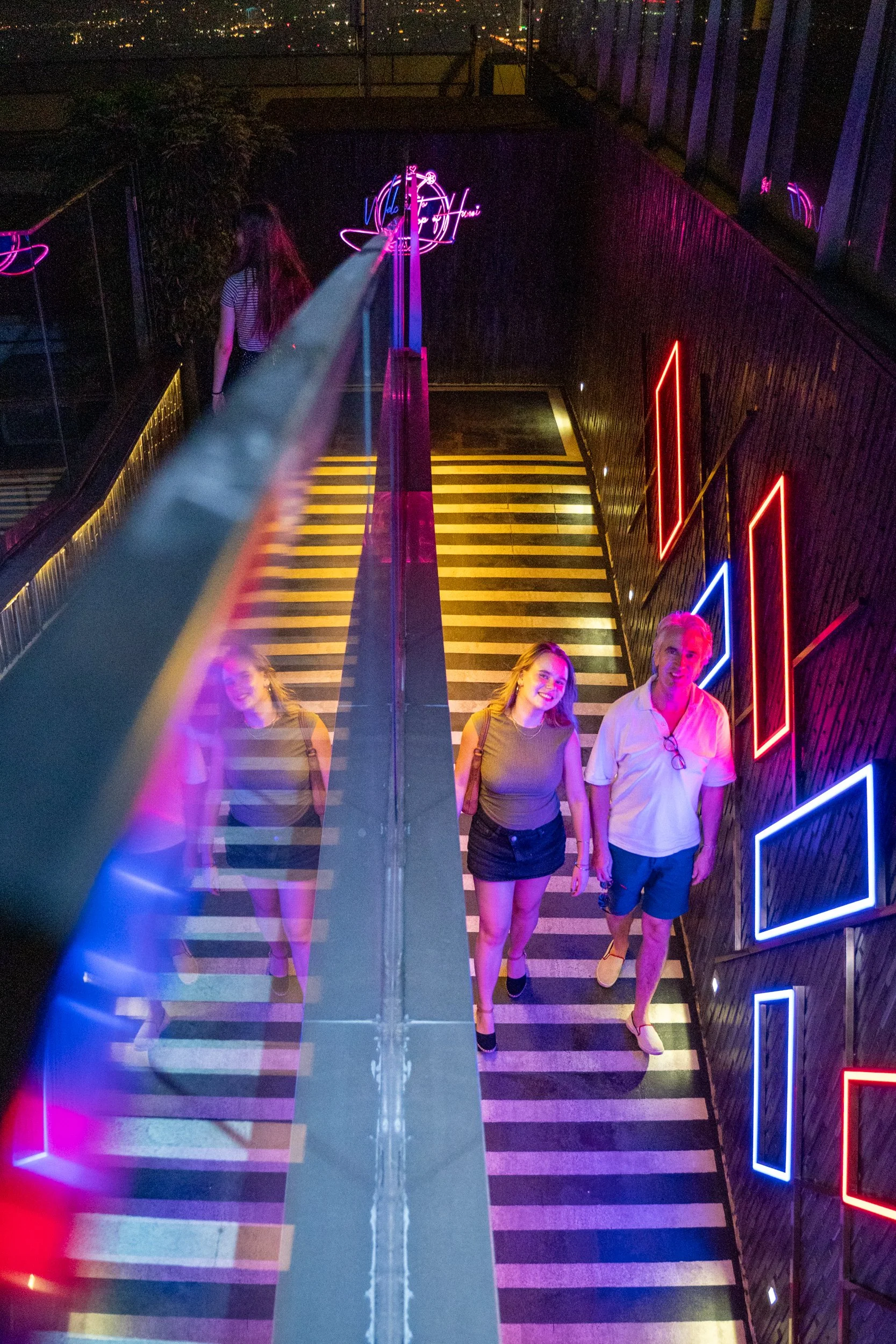
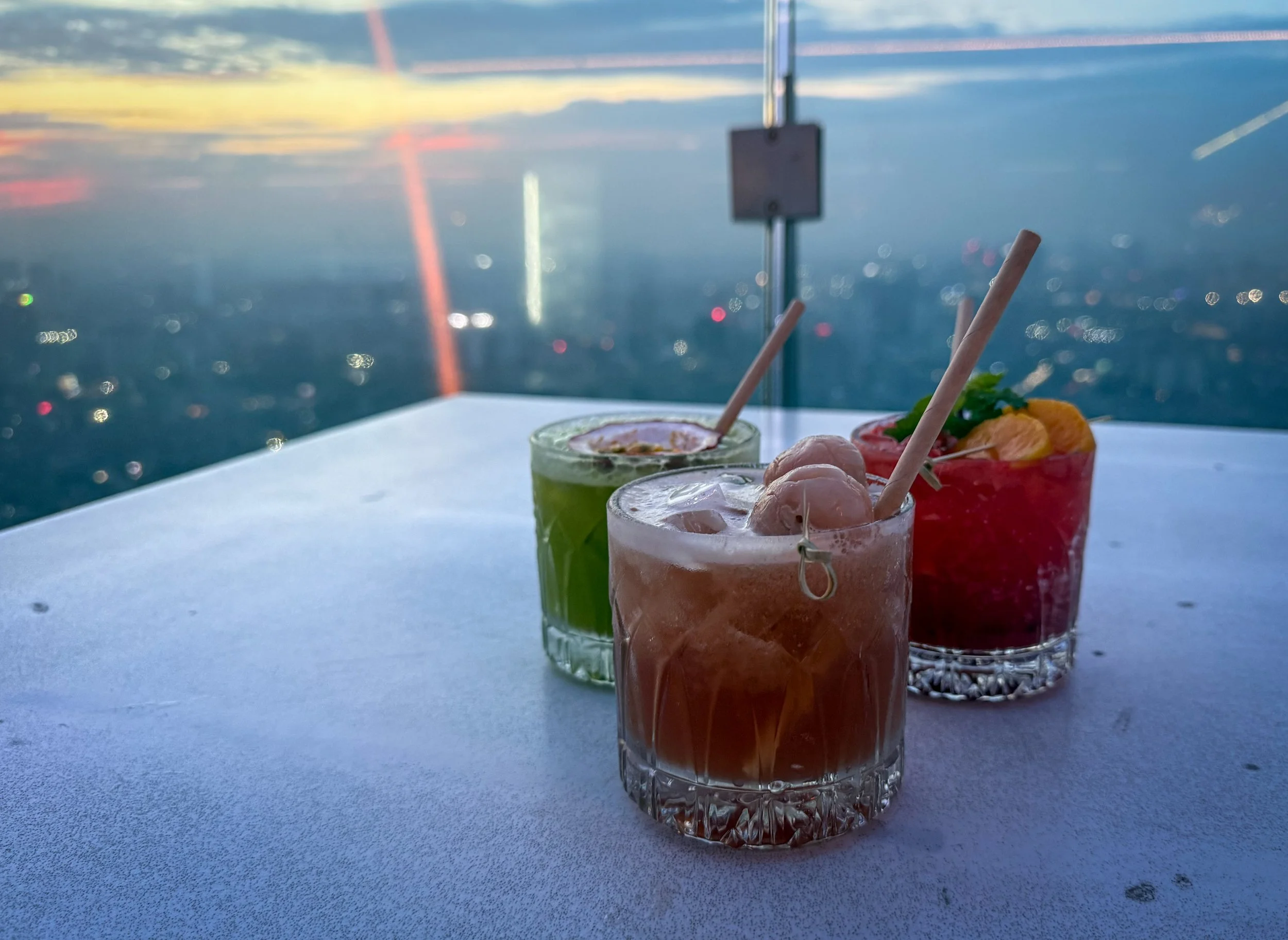
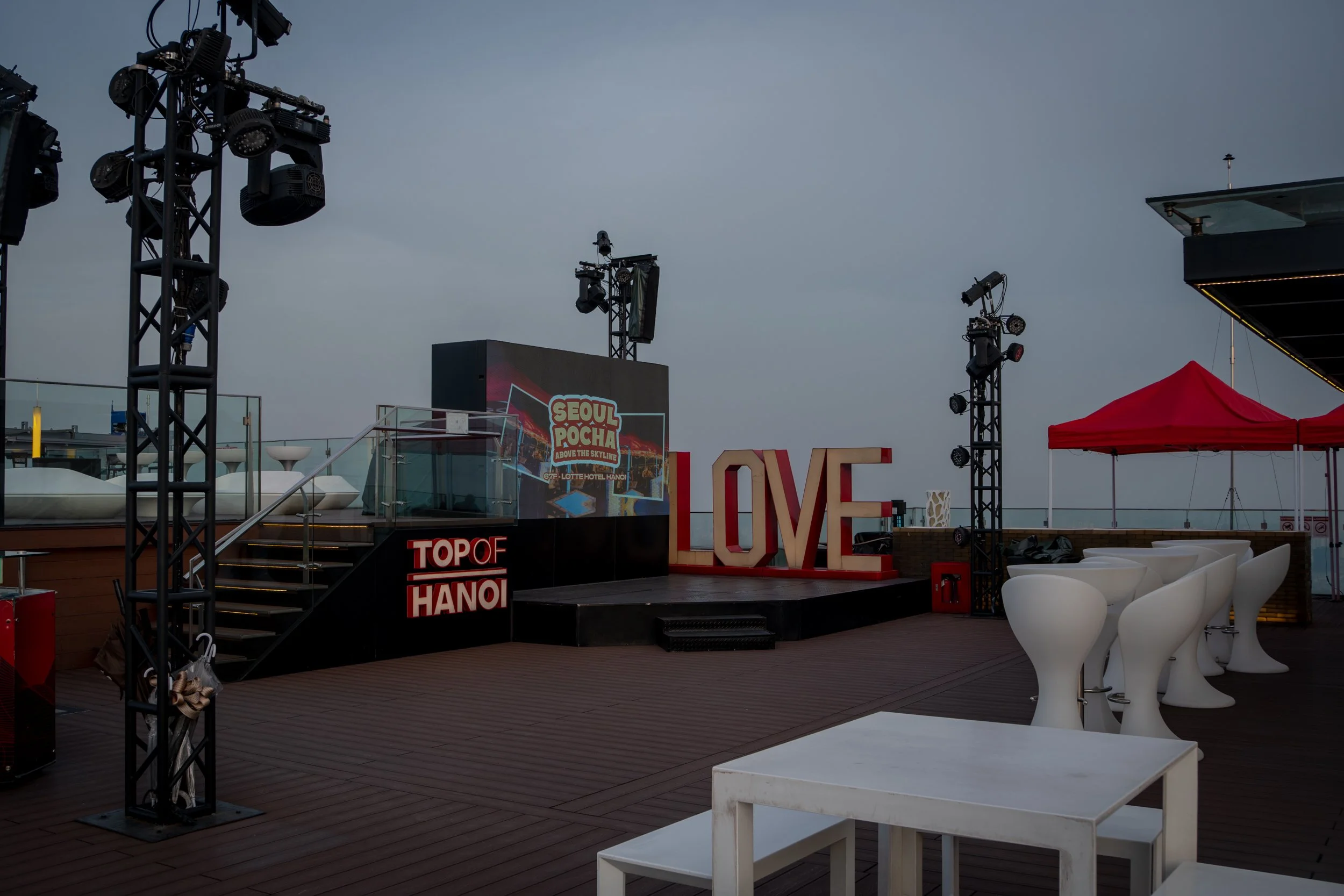
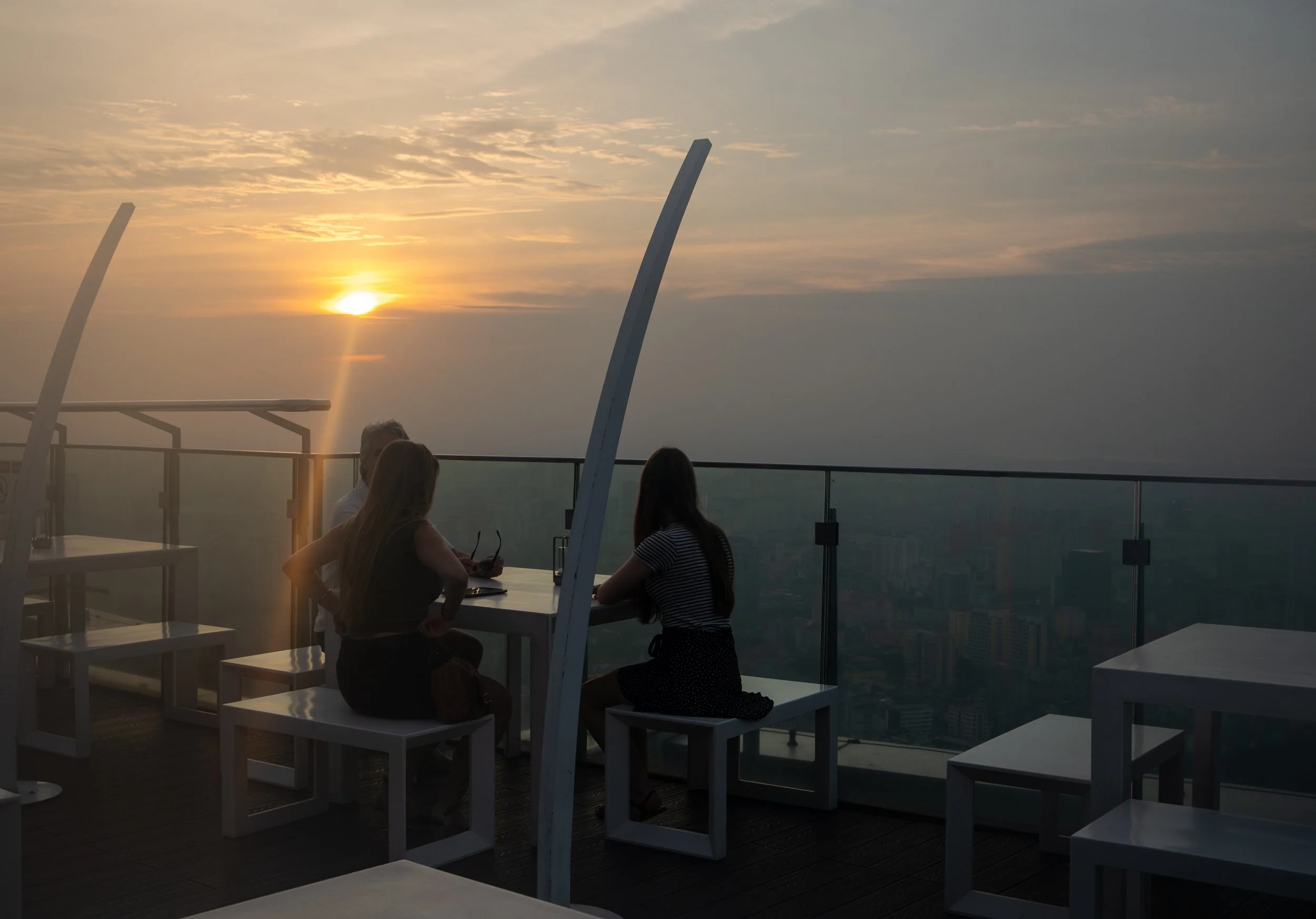
The contrast between the rooftop and the streets becomes one of the pleasures of our stay. The Lotte tower does not blend into historic Hanoi, nor does it try to. It stands apart from it, literally and architecturally.
Hanoi’s famous Train Street is less tempting to us. The narrow railway line has become one of the city’s busiest tourist attractions, with visitors crowding into cafés to photograph a train passing only metres away. We try to avoid this kind of organised tourist congestion as much as possible. Hanoi is too interesting to experience mainly through the same locations and camera angles as everyone else.
A much better discovery was Hidden Gem Coffee, tucked away in a narrow alley in the Old Quarter. The café lives up to its name: it is easy to walk past the entrance without noticing it. Inside, almost every visible object appears to have been reused or reinvented. Old tyres become chairs, bottles become lamps and discarded pieces of metal or motorbikes return as furniture and decoration. The café extends over several floors, but the upper floor is our favourite. It is lighter, greener and feels removed from the commotion outside. The recycled interior is playful rather than preachy, and gives teenagers plenty to inspect and photograph while the adults recover over Vietnamese coffee.
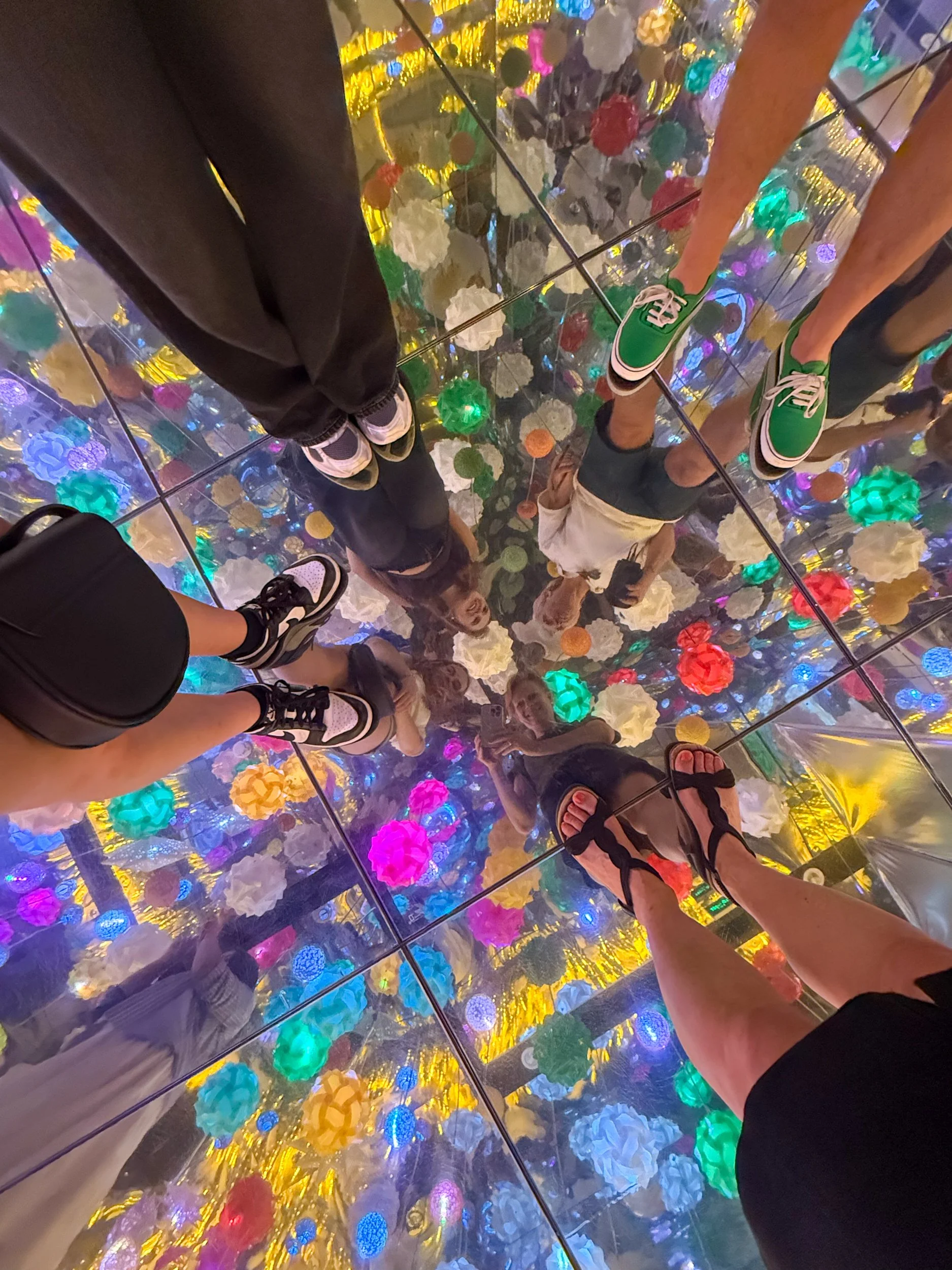
For another short escape from the streets, we visit Bảo Tàng I-Museum. This small multisensory digital-art museum is unexpectedly located on the fifth floor of Tràng Tiền Plaza, a polished department store near Hoàn Kiếm Lake. It is not a museum for an entire afternoon, but it provides an entertaining hour of colour, projections and interactive installations. It works particularly well as a change of pace with teenagers: accessible, visual and not burdened by endless display cases or long explanatory texts.
The most affecting museum of our visit was Hỏa Lò Prison, commonly known in the West as the Hanoi Hilton. The prison was constructed by the French colonial authorities at the end of the nineteenth century to hold Vietnamese prisoners, many of them opponents of colonial rule. Its French name, Maison Centrale, remains visible above the entrance. Much of the complex was later demolished, but what survives is enough. The cells, corridors, heavy doors and personal stories make the building feel claustrophobic even when it is crowded with visitors. The displays give most attention to Vietnamese prisoners held there during the French colonial period. Another section concerns American prisoners of war, who gave Hỏa Lò its ironic nickname during the Vietnam War. The museum presents history from a Vietnamese state perspective. That is important to recognise, particularly in the section about the treatment of American prisoners. Yet the prison itself resists any simple narrative. Its walls bear witness to different periods of violence, captivity and political struggle. For our daughters, the physical setting makes the city’s history considerably more tangible than a sequence of dates could have done. It is an impressive and unsettling visit.
Hanoi is also a good place to have clothing made. We visited Tailor Bros, where choosing fabrics, discussing cuts and returning for fittings becomes an experience in itself. Having something made to measure requires more time than buying from a shop, so it is sensible to visit early during your stay and to return for fitting before collecting it. For teenagers interested in clothes and personal style, the process can be considerably more engaging than conventional souvenir shopping.
Some of our best moments took place around food. Bún chả at 74 Hàng Quạt is the opposite of a formal restaurant experience. Hidden inside a narrow alley, it is busy, compact and unmistakably local. Pork and patties are grilled over charcoal and served with rice noodles, herbs and a bowl of sweet-sour broth. Seating is simple and space is limited. That is precisely the point. There is no carefully produced concept of authenticity here; people come to eat, tables turn quickly and smoke from the grill hangs in the air. The meal also reveals something about Hanoi that a luxury hotel cannot. Domestic life, cooking, commerce and traffic constantly overlap. A narrow passage can be a kitchen, dining room, workplace and route between houses at the same time. It is one of the most memorable meals of our stay.
At the other end of the spectrum, though not necessarily of the price scale, was Tâm Vi. The restaurant has a Michelin star but feels more like an elegant old Vietnamese family home than an international fine-dining room. Traditional northern Vietnamese dishes arrive without theatrical presentation or complicated explanations. The setting is warm, layered and nostalgic, with wooden furniture, ceramics and objects that seem collected rather than decorated into place. Tầm Vị is remarkably affordable by Michelin-starred standards. It is sometimes promoted online as the cheapest Michelin-starred restaurant in the world, although such a ranking is impossible to establish reliably because prices, exchange rates and menus continually change. What matters is that the meal offers serious cooking without the ceremony or financial shock usually associated with a Michelin star. Reservations are advisable.
Lotte Hotel Hanoi is not the obvious choice for travellers who want to step directly from their lobby into the Old Quarter. It offers something else: space, silence and distance from the most intense parts of the city. Its scale and glossy modernity may feel detached from historic Hanoi, but that contrast became part of the experience.
WOW
The two connected Deluxe Club Rooms offer teenagers privacy while keeping the family together.
Club Lounge access is genuinely useful, with breakfast, light meals, drinks and snacks throughout the day.
Top of Hanoi around sunset provides both a spectacular view and an unexpected way to understand the scale of the city.